Choosing the Right Platforms for Your Music Career Growth
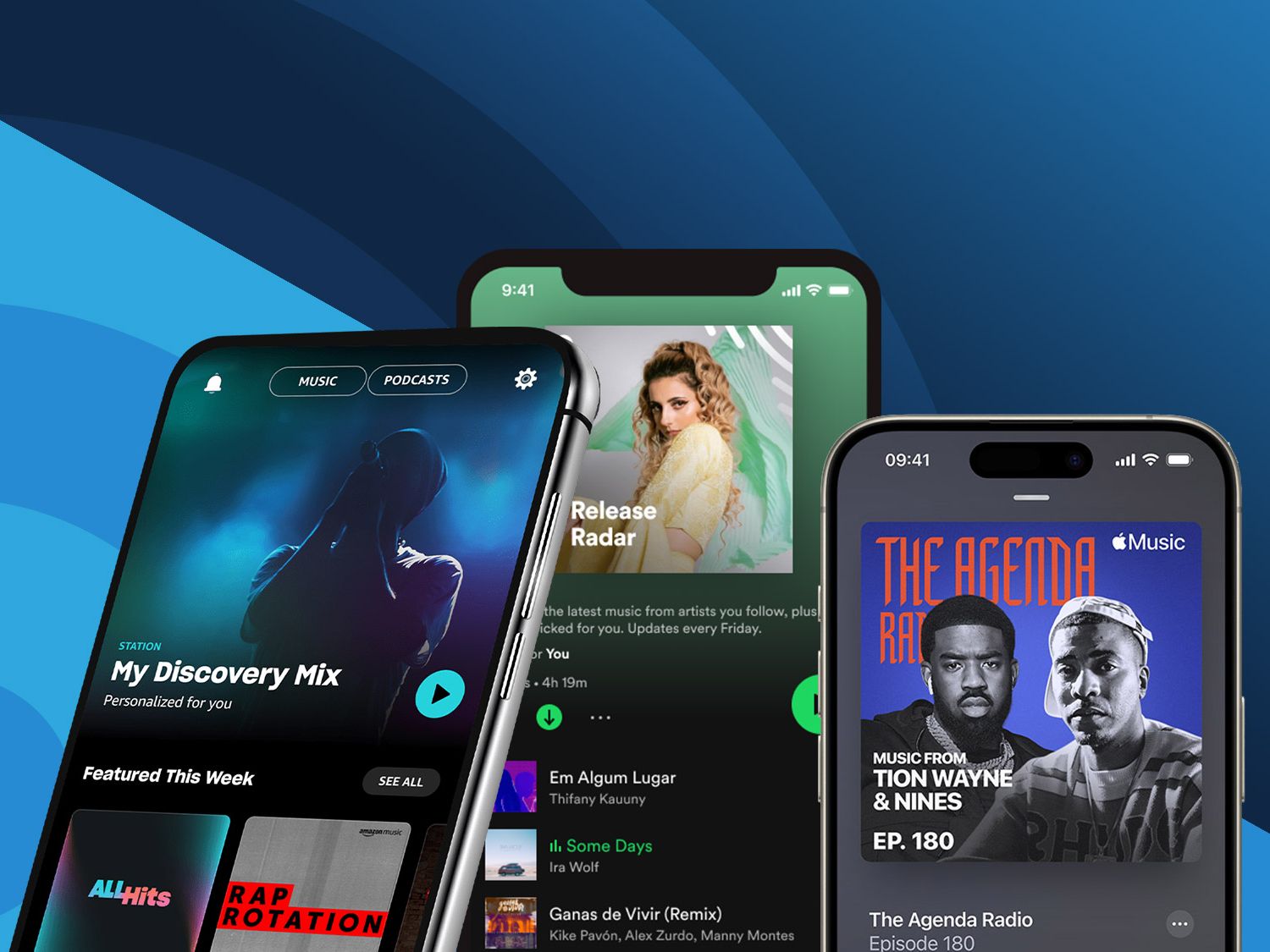
The structure of a modern music career has fundamentally changed. Artists no longer rely on a single channel to grow their audience, distribute their music, or develop their craft. Instead, career momentum is built through a carefully selected mix of digital platforms that serve different roles within the broader music ecosystem. Choosing the right platforms for your music career growth is not simply a logistical decision. It influences how your music travels, how fans discover you, how consistently you improve as an artist, and how intelligently you navigate opportunities.
The artists who build sustainable careers today rarely focus on just one environment. They operate across a connected network of streaming services, social platforms, distribution tools, learning environments, and data analytics systems. Each platform contributes a different piece of the puzzle, shaping exposure, fan relationships, creative development, and long-term strategy.
Several key dynamics define how musicians succeed within this landscape. Platforms are not isolated tools but interconnected systems that reinforce one another. Exposure and revenue are often generated in completely different places. Algorithmic discovery rewards consistency and engagement rather than simply releasing music. Continuous learning has become a competitive advantage in an industry shaped by rapidly evolving technology. And perhaps most importantly, artists who treat platform selection as a strategic decision tend to build stronger, more sustainable careers than those who simply chase trends.
Understanding how these platforms function together is now a core skill for modern musicians.
The Digital Music Ecosystem Every Modern Artist Must Understand
The contemporary music industry operates inside an expansive digital ecosystem where discovery, listening, fan engagement, and career development happen simultaneously across multiple platforms. Rather than following the linear model that once defined the industry, artists now move within a complex web of interconnected systems that influence how music spreads and how audiences respond.
Not long ago, the process of building a music career followed a predictable structure. Artists recorded music, labels distributed it, radio stations promoted it, and fans purchased albums. Access to the market depended heavily on gatekeepers. Today that hierarchy has been replaced by a decentralized digital environment where artists can upload music globally, communicate directly with listeners, and build audiences without relying entirely on traditional industry infrastructure.
Streaming platforms have become the primary listening environment for global audiences. Millions of listeners open these apps every day, exploring playlists, following recommendations, and discovering new music through algorithmic suggestions. At the same time, social media platforms act as discovery engines where music spreads through short-form videos, cultural moments, and fan-created content. Many listeners encounter a song for the first time through a viral clip before ever searching for the artist behind it.
Distribution platforms serve as the bridge between creators and the streaming world. Independent artists can release music globally without a label, uploading tracks that instantly become available across dozens of services. This accessibility has transformed the role of distribution from a specialized industry function into an essential tool that every artist can access.
Another layer of the ecosystem involves learning and professional development. The pace of technological change within music production, marketing, and audience engagement means that artists must constantly expand their knowledge. Online education platforms, digital music schools, and creator-focused learning communities now play a central role in shaping modern musicianship.
Data analytics platforms add another dimension to the ecosystem by translating audience behavior into actionable insight. These systems reveal where listeners live, how they discover music, and which tracks generate the strongest engagement. For artists operating independently, this information has become an invaluable guide for planning releases, targeting promotional efforts, and identifying growth opportunities.
What makes the ecosystem particularly powerful is the way these platforms interact with one another. A song that gains traction on a social media platform may quickly drive listeners to streaming services. Increased streaming activity can then trigger algorithmic recommendations, pushing the track into curated playlists that reach entirely new audiences. Those listeners may begin following the artist across multiple platforms, creating a feedback loop that reinforces discovery and engagement.
This interconnected structure means that artists no longer build careers in a single place. Instead, they guide audiences through a series of digital touchpoints that gradually deepen the relationship between creator and listener.
Understanding this ecosystem is the foundation for choosing the right platforms strategically rather than randomly.
Evaluating Streaming Platforms for Exposure, Revenue, and Algorithmic Reach
Streaming services have become the primary stage where global audiences consume music. For most listeners, these platforms function as the modern equivalent of radio, record stores, and personal music libraries combined. Because of this central role, the choice of streaming platforms can significantly influence an artist’s visibility and long-term growth.
Exposure on streaming platforms often begins with discovery mechanisms built into the platform itself. Algorithmic playlists, personalized recommendations, and curated editorial lists introduce listeners to new artists every day. When a song begins to generate engagement through repeated streams, playlist additions, or user interaction, algorithms interpret that activity as a signal of relevance and expand the track’s reach.
However, exposure and revenue operate under different dynamics within streaming environments. Streaming royalties are typically generated in small increments, requiring significant listening volume to produce substantial income. While this structure may appear discouraging for independent artists, the real value of streaming often lies in the scale of exposure it provides.
For many musicians, streaming platforms function as audience gateways rather than primary revenue sources. A listener who discovers a track through a playlist may become a long-term fan who later purchases merchandise, attends concerts, or supports the artist through fan-driven platforms.
Algorithmic reach has become one of the most influential factors in streaming success. Platforms analyze listener behavior constantly, measuring signals such as how long users listen to a track, whether they save it to personal libraries, and whether they share it with others. These signals determine whether the algorithm continues recommending the music or gradually reduces its visibility.
Artists who understand this dynamic often design their release strategies accordingly. Rather than releasing music sporadically, they maintain a consistent output schedule that keeps their profiles active within the platform’s recommendation systems. Regular releases also provide multiple opportunities for songs to gain traction in playlists and algorithmic discovery channels.
Another important aspect of streaming strategy involves metadata and presentation. The way music is categorized, described, and visually presented can influence how effectively it reaches the right audiences. Accurate genre classification, compelling cover art, and detailed artist profiles help platforms understand where a track belongs within their recommendation systems.
Ultimately, streaming platforms provide the infrastructure where music lives and circulates globally. When used strategically, they transform individual songs into discovery engines that introduce artists to listeners across continents.
Leveraging Social Media Platforms to Build a Loyal Fan Community
While streaming platforms host music, social media platforms create the cultural momentum that drives discovery. These environments are where audiences interact with artists as people rather than simply listening to their recordings. The difference between passive listeners and loyal fans often emerges through these spaces.
Social media allows artists to reveal the creative process behind their music. Studio sessions, songwriting experiments, rehearsal moments, and personal reflections give audiences insight into the artist’s journey. This transparency fosters emotional connection, transforming music from a distant product into a shared experience.
Short-form video platforms have become particularly influential in shaping music discovery. Songs frequently gain popularity after appearing in viral clips, dance challenges, or creative reinterpretations created by users. In these environments, music becomes part of a larger cultural conversation rather than existing solely as an audio recording.
For artists, the key to success on social media lies in authenticity rather than polished perfection. Audiences tend to respond strongly to content that feels spontaneous and genuine. Behind-the-scenes footage or informal performances often resonate more deeply than highly produced promotional material.
Another powerful aspect of social media platforms is the ability to communicate directly with listeners. Comments, live streams, and interactive content create a sense of community where fans feel acknowledged and valued. This connection strengthens loyalty, making listeners more likely to support an artist’s releases and share their music with others.
Consistency also plays a significant role in building a presence on social media. Algorithms favor creators who publish regularly and generate engagement through conversation and participation. Artists who maintain an active presence gradually build a recognizable digital identity that audiences learn to follow.
When integrated with streaming platforms, social media becomes an engine that continuously feeds listeners into an artist’s music catalog. Each post, video, or interaction acts as a bridge connecting everyday online activity with the deeper experience of listening.
Using Music Education and Learning Platforms to Expand Artistic Skills
Creative growth has always been central to a successful music career, but the methods through which artists learn have expanded dramatically in the digital age. Online education platforms now offer musicians access to a vast range of courses, tutorials, and mentorship programs covering songwriting, production, performance, and music business strategy.
For independent artists navigating an industry filled with technical and entrepreneurial demands, these learning environments provide essential tools. Modern musicians are expected to understand recording software, digital distribution systems, audience engagement strategies, and branding principles in addition to traditional musical skills.
Online learning platforms allow artists to acquire these skills at their own pace. A producer might study advanced mixing techniques one week and explore marketing strategies the next. This flexibility encourages continuous development rather than treating education as a one-time phase early in a career.
Another advantage of digital learning environments is their connection to active professional communities. Many platforms include forums, collaboration spaces, or live sessions where artists exchange ideas and feedback. These interactions create networks that often lead to creative partnerships and professional opportunities.
The accessibility of modern music education has also lowered barriers for aspiring artists worldwide. Musicians who once lacked access to formal institutions can now learn directly from experienced producers, composers, and industry professionals through online platforms.
By integrating learning platforms into their career strategy, artists ensure that their creative abilities evolve alongside technological and cultural shifts within the music industry.
Distribution Platforms and Tools That Help Independent Artists Release Music Globally
The ability to release music worldwide without a traditional label is one of the most transformative developments in modern music history. Distribution platforms have become the infrastructure that connects independent artists directly to streaming services and digital music stores.
These platforms handle the technical and administrative processes required to deliver music to dozens of listening services simultaneously. Artists upload their tracks, provide essential metadata, and schedule release dates, after which the music becomes available to listeners across the globe.
Beyond simple distribution, many platforms now provide additional services designed to support independent careers. Marketing tools, royalty management systems, and promotional opportunities allow artists to manage much of their release strategy from a single dashboard.
One of the most significant advantages of digital distribution is control. Artists maintain ownership of their music and decide when and how it is released. This flexibility allows musicians to experiment with release strategies, adjusting their approach based on audience feedback and data insights.
Global accessibility is another major benefit. A song uploaded by an independent artist can reach listeners in dozens of countries within hours. This international reach has allowed many artists to develop unexpected audiences in regions far from their original local scenes.
Distribution platforms effectively democratize the music industry by providing artists with direct access to global listening infrastructure.
Data Analytics Platforms That Guide Smarter Career Decisions
In the digital music landscape, data has become one of the most powerful resources available to artists. Every stream, playlist addition, and fan interaction generates information that reveals how audiences respond to music. Analytics platforms transform this raw data into insights that guide strategic decisions.
For example, streaming analytics can show where listeners are located geographically. An artist might discover that a significant portion of their audience resides in a country they have never visited. This insight could influence touring plans, promotional campaigns, or even future collaborations with artists from that region.
Engagement metrics provide another valuable perspective. Data may reveal which songs listeners replay frequently, which tracks generate the highest completion rates, and which releases attract the most new listeners. These patterns help artists understand which aspects of their sound resonate most strongly with audiences.
Analytics also reveal how listeners discover music. Some audiences may arrive through playlists, while others come from social media links or direct searches. Understanding these pathways allows artists to focus their promotional energy on the channels that generate the strongest results.
Importantly, analytics should not replace artistic intuition but rather complement it. The most successful musicians use data as a compass rather than a rulebook, allowing insights to inform strategy while preserving creative freedom.
Designing a Long-Term Platform Strategy for Sustainable Music Career Growth
Building a sustainable music career requires more than uploading songs or posting content regularly. It requires a thoughtful platform strategy that aligns with artistic goals, audience behavior, and long-term professional development.
The most effective platform strategies begin with clarity. Artists who understand their creative identity and the type of audience they want to reach can choose platforms that naturally support that vision. A producer focused on electronic music may prioritize streaming playlists and production communities, while a singer-songwriter might emphasize storytelling platforms and live performance content.
Consistency is another essential element of long-term strategy. Platforms reward creators who maintain steady engagement with audiences. Regular releases, ongoing communication with fans, and continuous skill development signal to algorithms and listeners alike that an artist is active and evolving.
Equally important is the balance between discovery and community. Discovery platforms introduce new listeners, but community platforms transform those listeners into loyal supporters. Artists who nurture both aspects simultaneously tend to build deeper and more resilient fan relationships.
Over time, a well-designed platform strategy becomes the infrastructure supporting every stage of a music career. Streaming platforms host the music, social platforms carry its cultural energy, distribution systems deliver it worldwide, education platforms strengthen artistic ability, and analytics tools illuminate the path forward.
When these elements work together intentionally, they create an ecosystem where creativity, technology, and audience connection reinforce one another. In this environment, choosing the right platforms is no longer just a technical decision—it becomes a defining factor in the long-term growth and sustainability of a modern music career.
Frequently Asked Questions
Most emerging artists benefit from focusing on a small number of platforms that align with their audience and creative style. Concentrating effort on two or three key platforms often produces stronger engagement than attempting to maintain a presence everywhere.
Yes. Streaming platforms remain the primary listening environment for global audiences. While direct revenue may be limited initially, the exposure generated through streaming can lead to fan growth, touring opportunities, and additional income streams.
Short-form video platforms and social media networks tend to generate rapid discovery because their algorithms prioritize shareable content. These environments often introduce new listeners to music before they encounter it on streaming services.
Analytics platforms provide valuable insight into audience behavior, allowing artists to make informed decisions about marketing, touring, and release strategies. Even basic analytics can significantly improve career planning.
While traditional education is not required, continuous learning is essential. Online courses, tutorials, and mentorship programs allow artists to refine their craft and stay competitive in a rapidly evolving industry.