The Producer as a Media Company: Why in 2026 You Must Think Like a Brand, Not Just a Beatmaker
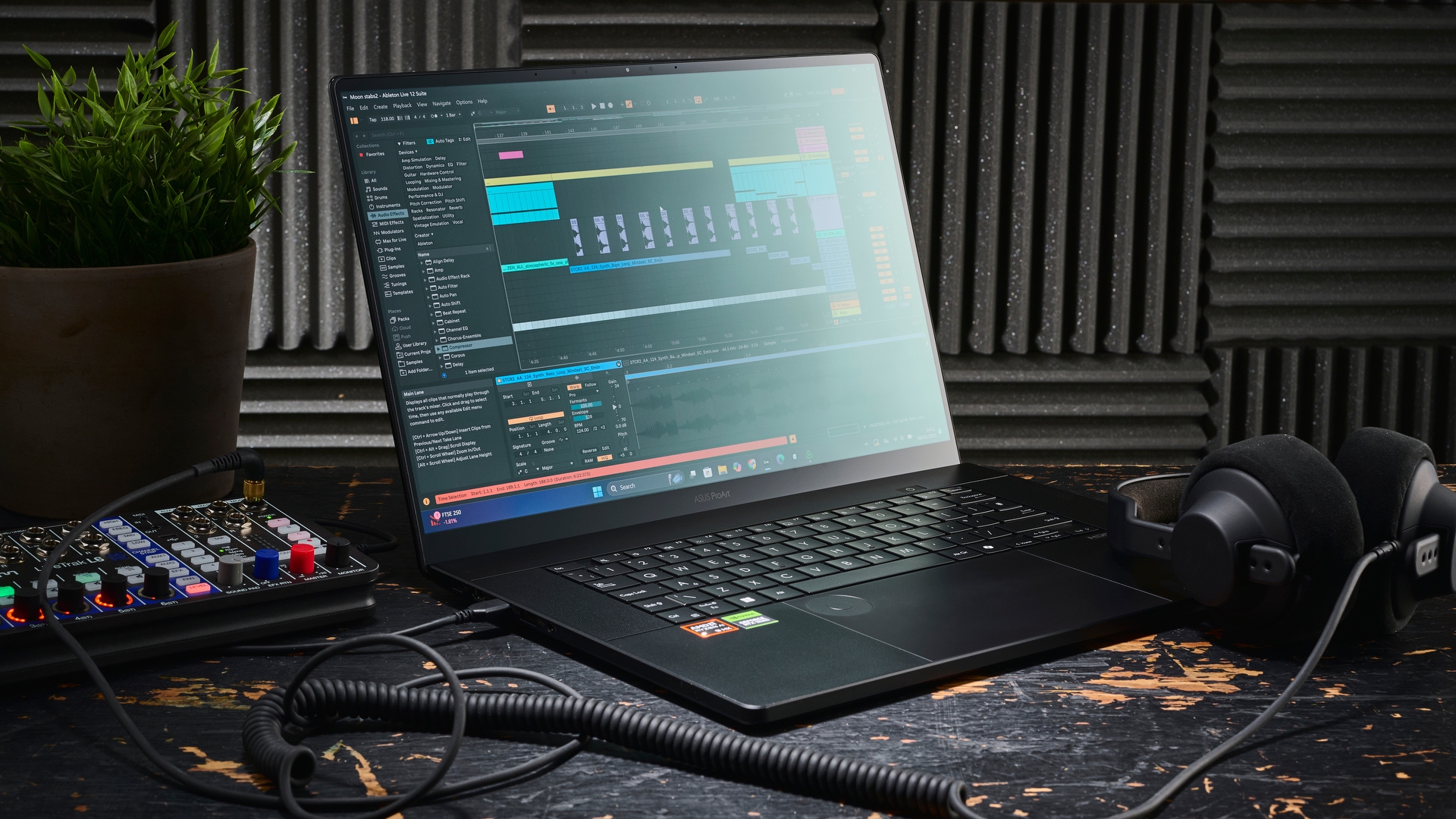
The role of the music producer has changed more in the last decade than it did in the previous fifty years. In 2026, the producer is no longer simply the person behind the drums, the synths, and the mixing console. The modern producer is a creator, a storyteller, a marketer, a strategist, and often the center of an entire digital media ecosystem.
What used to be a craft focused on sound design and arrangement has expanded into something much broader: a personal media company. Producers who succeed today understand that beats are only one output of a larger creative engine. The real leverage comes from audience ownership, recognizable identity, consistent content, and diversified revenue streams.
The shift is not merely technological. It is cultural and economic. Streaming platforms reshaped music distribution, social media reshaped discovery, and creator platforms reshaped monetization. The producer who thrives in this environment does not treat music production as a single service or product. Instead, they operate like a modern brand with a portfolio of creative assets.
Thinking like a brand means building recognition, trust, and consistency across every platform where listeners encounter your work. It means transforming the studio into a content engine, turning ideas into assets that travel across multiple channels, and cultivating an audience that returns not only for beats but for perspective, education, and personality. In this environment, producers who remain solely «beat sellers» often find themselves trapped in price competition. Those who evolve into media creators gain something far more powerful: leverage. Their audience grows across platforms, their catalog becomes a long-term asset, and their identity carries value independent of any single track. Understanding this transformation is the foundation for building a sustainable career in modern music production. The producer of 2026 must learn to think not only like a musician, but like a media architect designing an ecosystem around their creative voice.
The Shift From Beat Seller to Full-Stack Music Creator Economy
For many years, the online producer economy revolved around one primary model: selling beats. Platforms emerged where producers uploaded instrumentals, artists browsed catalogs, and licensing transactions happened quickly. This system democratized access to production opportunities and opened the door for countless independent producers to reach global audiences.
However, the simplicity of this model eventually created saturation. Thousands of talented producers began competing in the same marketplace with similar sounds, similar marketing tactics, and nearly identical price points. While the barrier to entry had lowered dramatically, the barrier to differentiation became much higher.
What has emerged since then is something far more complex and interesting: the full-stack music creator economy.
In this model, producers do not rely solely on beat sales as their core business. Instead, they operate across multiple creative and commercial layers. They produce music, but they also create educational content, build communities, license music for media, collaborate with brands, develop digital products, and build intellectual property that lives far beyond a single instrumental.
The studio becomes the center of a much larger system. Every beat session can become multiple assets. A drum programming session might become a short-form video tutorial. A sound design process might turn into a downloadable kit. A finished instrumental might evolve into a licensing opportunity for film, gaming, or social media creators.
This shift has been accelerated by the rise of creator platforms where audiences expect to engage directly with the people behind the music. Producers who once operated anonymously behind their DAWs are now discovering the power of showing their process, sharing their knowledge, and documenting the creative journey.
What makes this transition powerful is that it moves producers away from purely transactional relationships. Instead of interacting with anonymous buyers, they begin building long-term relationships with audiences who appreciate their style, personality, and creative philosophy. A producer who sells a beat once earns a one-time payment. A producer who builds an audience earns attention repeatedly. That attention can later translate into sales, collaborations, partnerships, and entirely new opportunities that would never emerge from a beat marketplace alone. The full-stack creator economy rewards producers who treat their work as a system rather than a single product. Their music catalog becomes one layer of a broader creative brand, and every piece of content contributes to a growing network of visibility and trust.
This evolution does not diminish the importance of music production skills. If anything, it amplifies them. But it reframes those skills as the foundation of a much larger creative enterprise. The modern producer is not just making beats. They are building a creative ecosystem.
Building a Recognizable Producer Identity Across Platforms
In the crowded landscape of modern music production, technical ability alone rarely guarantees visibility. Thousands of producers can craft professional-quality beats from their bedrooms, and many share similar sonic influences. What separates producers who gain long-term recognition from those who remain invisible often comes down to identity.
Identity is the signal that helps audiences remember you. For decades, major producers built recognition through signature sounds and collaborations with prominent artists. A single tag or drum style could become instantly recognizable. In the digital era, however, identity extends far beyond sound alone. It now includes visual presence, storytelling, personality, communication style, and the overall experience surrounding the music. A recognizable producer identity begins with clarity. Listeners should quickly understand what your creative world feels like. Some producers specialize in dark cinematic textures, others build vibrant melodic universes, and some craft minimalistic rhythmic landscapes. Whatever the aesthetic direction, consistency across releases helps audiences associate that sonic language with a specific creator.
But identity does not stop at the music itself. The visual ecosystem surrounding a producer plays an equally important role. Album artwork, video aesthetics, typography, color palettes, and even camera framing in studio videos gradually shape the emotional tone of the brand. Over time, these visual cues become part of the producer’s signature. Another important layer is voice. Producers who speak about their process, influences, and creative philosophy create deeper connections with their audience. Listeners begin to feel that they know the person behind the sound, and that emotional familiarity builds trust. Social platforms have transformed identity building into an ongoing conversation rather than a static portfolio. Instead of only releasing finished tracks, producers now share fragments of their creative life: unfinished loops, experimental ideas, reflections on inspiration, and glimpses into the daily rhythm of studio work.
These moments humanize the brand. A producer who consistently communicates their perspective eventually develops a recognizable tone. Followers begin to understand what that producer values, how they think about music, and what emotional territory their work occupies. This recognition compounds over time. When audiences encounter new content from that producer, they already carry a mental framework that makes the work easier to engage with. In a world where algorithms distribute content to millions of viewers, identity acts as the anchor that transforms casual viewers into loyal followers. It tells people not just what you make, but why your work matters.
Content Flywheels: Turning Studio Sessions Into Daily Media
For producers who grew up before the social media era, the idea of publishing content every day might initially feel overwhelming. Music production has traditionally been a slow, private craft. Hours of experimentation often happen before a single track reaches the public. Yet the creator economy introduced a powerful concept that reshapes this dynamic: the content flywheel. A flywheel is a system where each creative action generates multiple outputs that reinforce one another. Instead of treating content creation as a separate task from music production, the two processes become intertwined. Consider a typical studio session. A producer begins by programming drums, experimenting with melodies, adjusting sound design, and arranging sections of a track. In the traditional model, the audience only hears the final product once it is released. Every other moment in the creative journey disappears. In the modern content ecosystem, those moments become valuable media assets. A short clip showing the creation of a drum pattern can become a quick social video. A breakdown of chord progressions might become a teaching post. A reaction to a newly discovered plugin can spark conversation among fellow producers. Even a simple moment of experimenting with a synthesizer can capture attention if it reveals personality or curiosity. The flywheel works because each piece of content feeds the next. Someone who discovers a short video of a melody creation might follow the producer’s account. Later, that same follower sees a longer breakdown of the track’s arrangement. Eventually, they listen to the final release or purchase a related product. Instead of relying on occasional viral moments, the flywheel builds momentum through consistent presence. Each piece of content strengthens familiarity with the producer’s style, making the next piece easier for the audience to engage with. Importantly, this process does not require constant reinvention. The same studio session can produce multiple forms of content over time. A loop might appear first as a teaser video, later as part of a tutorial, and eventually as a component of a full track release. The result is a continuous creative cycle where production and media reinforce each other. The studio becomes both a music laboratory and a storytelling engine. For producers who embrace this approach, content stops feeling like marketing and begins to feel like documentation of the creative life.
Owning Your Audience Through Platforms, Email, and Community
Social media platforms have become powerful discovery engines for music creators, but they come with an important limitation: the audience technically belongs to the platform, not the creator.
Algorithms decide who sees your content, policies can change overnight, and accounts can disappear unexpectedly. For producers building long-term careers, relying exclusively on rented digital space is a risky strategy. This reality has revived an old but powerful concept in the creator economy: audience ownership. Owning your audience does not mean controlling people. It means establishing direct communication channels that are independent of social algorithms. These channels allow producers to reach their listeners even when platform dynamics shift. Email newsletters remain one of the most effective tools for this purpose. While they may seem old-fashioned compared to fast-moving social feeds, email offers something rare in the digital world: reliability. When someone joins a mailing list, they are explicitly inviting you into their inbox. For producers, this creates a direct pathway to share releases, announce products, or offer exclusive content. Unlike social media posts that may vanish within hours, email messages reach people in a more intentional context where attention is less fragmented. Community platforms add another layer of audience ownership. Online groups, membership communities, and creator hubs allow producers to gather listeners in spaces designed for deeper interaction. Within these environments, fans can ask questions, share their own work, and participate in discussions about music production. The dynamic shifts from passive consumption to active participation. Producers who nurture communities often discover that their audience becomes more invested in their journey. Instead of merely consuming beats, community members feel connected to the evolution of the brand. They celebrate releases, contribute feedback, and sometimes collaborate creatively.
Over time, this sense of belonging becomes one of the most valuable assets a producer can build. While platforms may change and algorithms may fluctuate, a dedicated community provides stability and long-term support.
Audience ownership transforms the producer’s relationship with listeners from fleeting interaction into sustained connection.
Monetization Beyond Beats: Licensing, Education, and Creator Products
The economic landscape of music production has expanded dramatically in recent years. While selling beats remains an important revenue stream, producers are increasingly discovering that their knowledge, creativity, and intellectual property can generate income in many different ways.
Licensing is one of the most powerful opportunities. As digital media expands across platforms, creators constantly need music for videos, podcasts, advertisements, games, and live streams. Producers who build well-organized catalogs can license their tracks to filmmakers, content creators, and brands seeking distinctive soundtracks.
Unlike traditional beat sales, licensing often allows music to generate income repeatedly across multiple placements. A single track might appear in dozens of different projects over time, creating cumulative value.
Education has also emerged as a major pillar of the producer economy. Many aspiring musicians are eager to learn not only technical production skills but also creative workflows, sound design strategies, and career development techniques.
Producers who document their expertise can transform that knowledge into courses, workshops, mentorship programs, and digital learning experiences. What once existed as private studio insight becomes a scalable educational asset.
Creator products represent another expanding frontier. Sound kits, sample libraries, preset packs, and production templates allow producers to package elements of their sonic identity into downloadable tools. These products help other creators accelerate their workflow while also spreading the aesthetic influence of the original producer.
What makes this model powerful is its compounding nature. A drum kit created once can sell thousands of times. A course recorded over a few weeks can continue generating revenue for years. When these revenue streams combine—beats, licensing, education, and creator tools—the producer’s business becomes more resilient. Instead of relying on a single market, they operate across multiple creative industries simultaneously. The producer is no longer just selling music. They are monetizing knowledge, creativity, and cultural influence.
Data-Driven Growth: Analytics, Algorithms, and Audience Behavior
In earlier eras of music production, feedback loops were slow and often vague. Producers released music, waited for audience reactions, and gradually formed impressions about what resonated.
The modern digital ecosystem provides something radically different: detailed behavioral data.
Streaming platforms, social media dashboards, and content analytics reveal patterns that were once invisible. Producers can see which clips capture attention, which songs maintain listener engagement, and which types of content lead audiences to explore further.
This information does not replace creative intuition, but it sharpens it.
For example, analytics might reveal that certain melodic styles consistently attract higher engagement or that behind-the-scenes studio content keeps viewers watching longer than polished promotional posts. These insights allow producers to refine their creative strategy while still maintaining artistic authenticity. Algorithms play a central role in this process. Social platforms analyze viewer behavior to decide which content deserves wider distribution. Producers who understand these dynamics can design content that encourages deeper interaction, increasing the chances that algorithms will amplify their reach. However, data should never become a creative prison. The goal is not to chase numbers blindly but to understand how audiences respond to different aspects of your work. When interpreted thoughtfully, analytics function like a compass rather than a rulebook. The most effective producers treat data as a conversation with their audience. Each piece of content provides signals about what resonates emotionally, intellectually, or aesthetically. By observing those signals, producers can refine their creative output while still exploring new artistic directions. In this way, analytics become a tool for growth rather than a constraint on creativity.
Designing a Long-Term Producer Brand That Outlives Trends
Music trends evolve quickly. Production styles that dominate streaming charts today may feel outdated within a few years. For producers building long-term careers, the challenge is not simply keeping up with trends but developing a creative identity that remains meaningful even as sonic fashions shift. A lasting producer brand is built on deeper foundations than genre alone. It reflects a creative worldview: the emotional themes you explore, the sonic textures you gravitate toward, the philosophies you share about music and creativity. Producers who cultivate these deeper layers often find that their audience follows them through stylistic evolution. Listeners are not only attracted to a particular beat style; they are drawn to the perspective behind it. This perspective becomes the connective tissue that links different projects across time. A producer might move from trap to cinematic scoring, from hip-hop to electronic experimentation, yet the underlying aesthetic sensibility remains recognizable. Long-term brands also grow through collaboration. Working with artists, visual creators, educators, and other producers expands the creative universe surrounding the brand. Each collaboration introduces new audiences while reinforcing the producer’s reputation as a versatile creative partner. Another critical element is intellectual property. Producers who maintain ownership of their catalogs, sounds, and educational materials gradually accumulate a portfolio of assets that continues generating value for years. This portfolio becomes the foundation of financial independence within the creator economy. Most importantly, sustainable brands evolve without losing their core identity. Trends may influence production choices, but the underlying creative voice remains stable. Audiences sense that authenticity, and it keeps them engaged even as the musical landscape changes. The producer of the future is not merely someone who makes beats for the moment. They are architects of cultural presence, building creative ecosystems that continue expanding long after individual songs fade from the charts. In 2026 and beyond, thinking like a media company is no longer optional. It is the framework that transforms musical talent into lasting creative influence.
Frequently Asked Questions
Not every producer must become a full-time content personality, but sharing aspects of the creative process significantly increases visibility. Content acts as a bridge between the studio and the audience, helping listeners discover the music behind the scenes.
It is possible, but increasingly difficult due to market saturation. Producers who combine beat sales with other revenue streams tend to build more stable and scalable careers.
The specific platforms change frequently, but the underlying principle remains consistent: distribute content where audiences already spend time while gradually directing followers toward platforms where you can communicate directly, such as email or community spaces.
Consistency matters more than frequency. A sustainable rhythm that documents the creative process tends to work better than sporadic bursts of activity followed by long silence.
Yes. In fact, many successful producer brands began with very small audiences. What matters most is clarity of identity, consistency of presence, and a genuine connection with listeners.