Why Labels Look for Artists with a Brand, Not Just Tracks (And How to Build a Cohesive Identity in 2026)
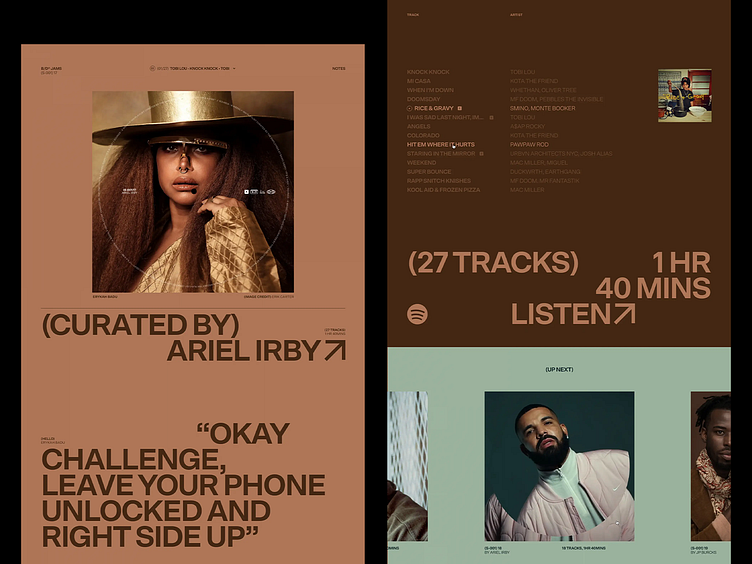
The music industry has entered a phase where a great song is no longer the primary currency of opportunity. Labels now evaluate artists through a much wider lens, one that includes identity, narrative, visual language, audience connection, and long-term cultural positioning. In 2026, the artists who secure partnerships are rarely those with a single viral track. Instead, they are creators who present a coherent world around their music.
A label looking at a potential signing today is not only asking whether the artist can write strong songs. They are asking whether the artist represents a durable cultural property that can grow across platforms, communities, and formats. The shift is subtle but profound: the focus has moved from individual releases to the architecture surrounding them.
Artists who understand this shift build brands that feel intentional rather than accidental. Their music, visuals, storytelling, and audience engagement reinforce one another. When a label encounters such an artist, the decision becomes less about gambling on a song and more about investing in a living ecosystem.
The Post-Streaming Reality: Why Great Songs Alone No Longer Secure Record Deals
During the early streaming era, many artists believed the path to success was straightforward: release songs consistently, trigger algorithmic discovery, and wait for industry attention. That model did work for a brief period, especially when platforms were still defining their recommendation systems. Viral hits could erupt from obscurity and transform an unknown artist into a label priority overnight.
But the environment in 2026 looks very different. Streaming platforms now receive tens of thousands of new songs every day. The algorithms that once amplified novelty have matured into systems that reward sustained engagement, audience retention, and recognizable artist profiles. A single strong song is rarely enough to push an artist through the noise.
Record labels are acutely aware of this reality. Signing an artist today involves far more financial risk than simply distributing music. Labels invest in marketing teams, visual production, touring infrastructure, and long-term brand development. Because of this, they seek artists who already demonstrate a coherent identity that audiences understand.
A technically excellent track without context often fails to stand out. Labels hear great production, polished vocals, and compelling songwriting every day. What differentiates one artist from another is the surrounding narrative: the world the music belongs to, the aesthetic choices that accompany it, and the audience that recognizes it as something specific.
The shift also reflects how listeners behave. Music consumption has become deeply tied to identity and culture. Fans do not simply stream songs; they follow artists across social platforms, attend live events, participate in online communities, and incorporate artist imagery into their own digital identities. In this environment, the artist becomes a central character in an ongoing story.
When labels discover an artist whose songs are strong but whose identity feels undefined, the project appears unfinished. It suggests that the label would have to build the entire framework themselves. In contrast, an artist who arrives with a clear brand already signals momentum and self-awareness.
Great songs still matter, of course. They remain the foundation of everything. But in the post-streaming reality, they function more like the core ingredient rather than the complete product. Without a recognizable identity surrounding them, even exceptional music can disappear into the endless scroll of modern platforms.
From Artist to Intellectual Property: How Labels Evaluate Marketable Identities
One of the most significant conceptual shifts in the modern music business is how artists are evaluated as intellectual property. This does not mean reducing creativity to a corporate asset, but it does reflect the way labels now assess long-term cultural potential.
In earlier decades, an artist’s career might revolve around albums and touring cycles. Today, the same artist can generate cultural presence across far more surfaces. Music videos, live performances, documentary content, short-form social clips, fashion collaborations, virtual events, and creator partnerships all contribute to the broader value of the artist identity.
When labels review an emerging artist in 2026, they often ask a question that would have sounded unusual twenty years ago: can this identity travel? In other words, can the artist’s concept extend beyond the song itself into visuals, storytelling, and community engagement.
An artist whose work reflects a distinct perspective tends to perform well in this evaluation. That perspective might come from cultural background, sonic experimentation, visual aesthetics, or the emotional themes embedded in the music. What matters is that the artist presents a recognizable point of view.
Labels also examine consistency. If an artist releases music that evokes one emotional world while presenting visuals that suggest something entirely different, the identity becomes difficult to understand. Clarity does not require rigidity, but it does require intention. Another factor is memorability. In a saturated market, the artists who stand out often do so because their identity is immediately recognizable. Sometimes this emerges from visual design, sometimes from narrative themes, and sometimes from a unique sonic palette. More often than not, it is a combination of all three. When the industry speaks about an artist becoming intellectual property, it refers to this holistic ecosystem. The artist becomes a recognizable cultural object that audiences can identify across contexts. Once that recognition exists, labels can invest with greater confidence because the brand itself carries momentum.
This is why many successful signings in recent years already arrive with an established creative universe. Their music videos share a visual grammar. Their artwork hints at recurring themes. Their social content feels like an extension of their songs rather than an unrelated marketing exercise. By the time a label enters the picture, the identity already feels alive.
Crafting Your Artist Narrative: Turning Personal Story Into Strategic Positioning
Behind every memorable artist brand lies a narrative that feels authentic yet intentional. Listeners respond strongly to stories, especially when those stories illuminate the emotions within the music itself. For artists navigating the modern industry, understanding how to shape that narrative can become one of the most powerful strategic tools available.
The key difference between storytelling and branding is subtle but important. Storytelling begins with lived experience, personal influences, and emotional truth. Branding organizes those elements into a structure that audiences can easily understand. When done well, the result never feels manufactured. Instead, it feels like a natural window into the artist’s world.
Artists often underestimate how much their background contributes to this narrative. Geographic roots, cultural influences, early musical experiences, and even unexpected career paths can all become meaningful parts of the story. These details help audiences place the music within a broader human context. However, narrative is not only about biography. It also involves thematic direction. Some artists consistently explore introspective themes, examining identity and personal transformation. Others focus on social commentary or cultural celebration. Still others create immersive fictional worlds that frame their music in imaginative ways.
Labels pay attention to this thematic consistency because it helps them understand how the artist might evolve over time. An artist who demonstrates a clear emotional or conceptual direction is easier to position in the market than one whose messaging changes unpredictably from release to release. Narrative also shapes how fans engage with the music. When listeners feel they understand the story behind an artist, their relationship to the songs deepens. The music becomes part of a larger journey rather than a standalone experience.
Strategic positioning does not mean exaggerating or inventing personal details. In fact, authenticity remains essential. What matters is choosing which aspects of the story deserve emphasis and ensuring they align with the emotional core of the music. Artists who master this balance often find that their story begins to travel organically through fan communities and media coverage. Journalists, playlist curators, and collaborators naturally gravitate toward artists whose narrative offers something distinctive. Over time, that narrative becomes inseparable from the music itself.
Designing a Recognizable Visual World Across Covers, Videos, and Social Platforms
In the modern music ecosystem, visuals often provide the first introduction to an artist long before a listener presses play. Album covers appear in streaming feeds, video thumbnails circulate through social platforms, and short clips travel rapidly across digital communities. Within seconds, audiences form an impression that can influence whether they engage with the music.
For this reason, many of the most successful artists treat visual design as an extension of their creative voice rather than an afterthought. The goal is not merely to produce attractive imagery but to create a recognizable visual language that accompanies the music wherever it appears.
This language can emerge from several elements working together. Color palettes often play a subtle yet powerful role. When certain tones recur across covers, videos, and promotional materials, audiences begin to associate those colors with the artist’s world. Over time, the aesthetic becomes instantly recognizable.
Typography and graphic style also contribute to this visual identity. Some artists adopt bold, high-contrast designs that reflect energetic music. Others lean toward minimalism, allowing negative space and delicate typography to mirror more introspective sounds. The exact style matters less than the consistency behind it.
Music videos extend the visual world even further. In 2026, many artists treat videos not as isolated promotional pieces but as chapters within a larger narrative universe. Recurring symbols, locations, or visual motifs can subtly link multiple releases together. Fans who notice these connections often feel invited into a deeper layer of the artist’s creative process.
Social platforms then become the connective tissue between these larger productions. Instead of presenting unrelated content, successful artists use their feeds to reinforce the same aesthetic atmosphere found in their music and videos. The result is a digital presence that feels cohesive rather than fragmented. Labels recognize the power of this approach because it reduces the effort required to introduce the artist to new audiences. When a visual identity is clear, marketing teams can amplify it rather than invent it from scratch. Every new piece of content strengthens recognition instead of diluting it. The artists who stand out visually are rarely those with the biggest budgets. They are the ones who understand the emotional tone of their music and translate it into a consistent visual environment. Once that environment exists, even simple content can feel unmistakably connected to the artist’s world.
Aligning Sound, Aesthetic, and Audience for a Cohesive Artist Brand
A powerful artist brand emerges when multiple creative layers move in the same direction. Sound, visual identity, narrative themes, and audience culture begin to reinforce one another, creating an experience that feels unified rather than assembled from separate parts. Alignment between these elements does not happen by accident. It requires artists to think carefully about the emotional atmosphere their music creates and how that atmosphere translates into imagery, storytelling, and community interaction. For instance, an artist whose music leans toward atmospheric electronic textures may naturally gravitate toward moody visual palettes, cinematic videos, and contemplative storytelling. Fans attracted to that sonic environment often appreciate introspective content and immersive digital experiences. When these elements align, the brand feels intuitive. By contrast, a high-energy pop artist might build a world defined by vibrant colors, kinetic choreography, and playful social engagement. The visual language supports the rhythm of the music, while fan communities mirror the same sense of movement and excitement. Labels pay close attention to this alignment because it signals that the artist understands their own cultural positioning. When the sound suggests one identity but the visual presentation suggests another, the audience receives mixed signals. Confusion rarely leads to sustained engagement.
Cohesion also influences how music spreads through digital platforms. Algorithms increasingly track patterns of listener behavior, including the types of visuals and communities associated with certain sounds. When an artist’s brand aligns with those patterns, discovery pathways become more efficient.
Audience culture plays a particularly important role here. Fans are not passive consumers; they actively participate in shaping the artist’s world. The memes they create, the visual edits they share, and the conversations they hold online all contribute to the brand’s broader perception.
Artists who encourage this participation often develop stronger communities. They invite fans into the narrative rather than presenting a finished product from a distance. Over time, the brand becomes a collaborative space where music, imagery, and fan creativity intersect. When labels encounter such an ecosystem, they recognize the potential for growth. The brand already functions as a cultural organism, capable of expanding into new formats and collaborations without losing its identity.
Building a Fan-Centered Ecosystem That Labels See as Scalable
Perhaps the most decisive factor in modern label decisions is the presence of a genuine fan ecosystem. Numbers alone rarely tell the full story. What matters more is the depth of engagement between the artist and the audience. A scalable fan ecosystem shows signs of active participation. Listeners share the music organically, discuss releases with one another, and interact with the artist’s content in meaningful ways. This kind of engagement suggests that the audience does not simply enjoy the music but feels connected to the identity behind it.
Artists often cultivate this ecosystem through consistent communication. They reveal parts of their creative process, respond to fan interpretations, and allow the community to witness the evolution of their work. Over time, this transparency creates a sense of shared journey. Live experiences also play an important role. Whether through touring, pop-up performances, livestreams, or digital fan events, these moments transform listeners into participants. A fan who experiences the music collectively with others often develops a deeper emotional bond with the artist.
From a label’s perspective, scalability means that the existing fan culture has the potential to grow without losing its authenticity. If a community already demonstrates strong internal connections, additional exposure can expand it rather than dilute it. Artists sometimes worry that focusing on fans might appear overly strategic. In reality, the opposite is true. The most effective fan ecosystems grow from genuine enthusiasm rather than calculated marketing tactics. Fans recognize authenticity quickly, and they tend to support artists who respect their role in the creative journey.
Labels understand that building a fan community from scratch is extremely difficult. When an artist arrives with a living ecosystem already in motion, the partnership becomes far more compelling. The label’s resources can amplify existing energy instead of attempting to manufacture it.
Future-Proofing Your Artist Identity in the Algorithmic Music Economy of 2026**
The music industry continues to evolve at a remarkable pace, shaped by new technologies, shifting audience behaviors, and increasingly sophisticated digital platforms. In this environment, artists who rely solely on traditional release cycles often struggle to maintain visibility. The creators who thrive are those who treat their identity as a dynamic system capable of adapting to change.
Future-proofing an artist identity begins with understanding that algorithms favor continuity. Platforms reward artists who consistently produce content that resonates with a recognizable audience. When listeners repeatedly engage with an artist’s world, the system interprets that behavior as a signal of relevance.
This does not mean sacrificing artistic experimentation. In fact, many of the most forward-thinking artists evolve constantly. The key difference is that their evolution happens within a coherent creative framework. Even as the sound shifts or visuals transform, the underlying perspective remains recognizable.
Another crucial factor is ownership of narrative. Artists who control their storytelling are better positioned to navigate industry changes. They can introduce new creative directions without confusing their audience because the narrative itself provides context for each transformation.
Technology will undoubtedly continue to reshape music distribution, audience interaction, and creative production. Artificial intelligence, immersive media, and emerging social platforms will open new possibilities for expression. Yet the artists who benefit most from these innovations will still rely on the same fundamental principle: a clear and compelling identity.
Labels searching for future stars in 2026 are not merely listening for the next great track. They are observing which artists have built worlds that audiences want to inhabit. Those worlds are constructed through music, visuals, storytelling, and community.
For artists willing to approach their careers with that level of intentionality, the opportunity is enormous. A cohesive identity transforms music from isolated releases into a cultural presence. And in an industry defined by constant change, cultural presence remains one of the few assets that continues to grow over time.
Frequently Asked Questions
The modern music landscape is saturated with high-quality recordings. Branding helps labels identify artists who offer a distinctive identity that audiences can recognize and follow over time. A strong brand also allows music to expand into visuals, live experiences, and collaborations that extend the life of a project.
Yes, many artists now sustain successful careers independently. However, a cohesive brand still matters because it strengthens fan loyalty and improves discoverability. Labels simply view this same strength as evidence that an artist can scale further with additional resources.
Ideally from the beginning. Branding does not require expensive design or marketing campaigns. It starts with understanding the emotional tone of your music and expressing that tone consistently through visuals, storytelling, and audience interaction.
Music remains the foundation of everything. However, visual identity often determines whether listeners decide to explore that music in the first place. Strong visuals create curiosity, while consistency helps audiences remember the artist.
Not necessarily. Labels often care more about engagement than raw numbers. A smaller but highly active fan community can be more compelling than a large but passive following.