Spotify for Artists Pitch Guide: How to Get Your Music on Editorial Playlists
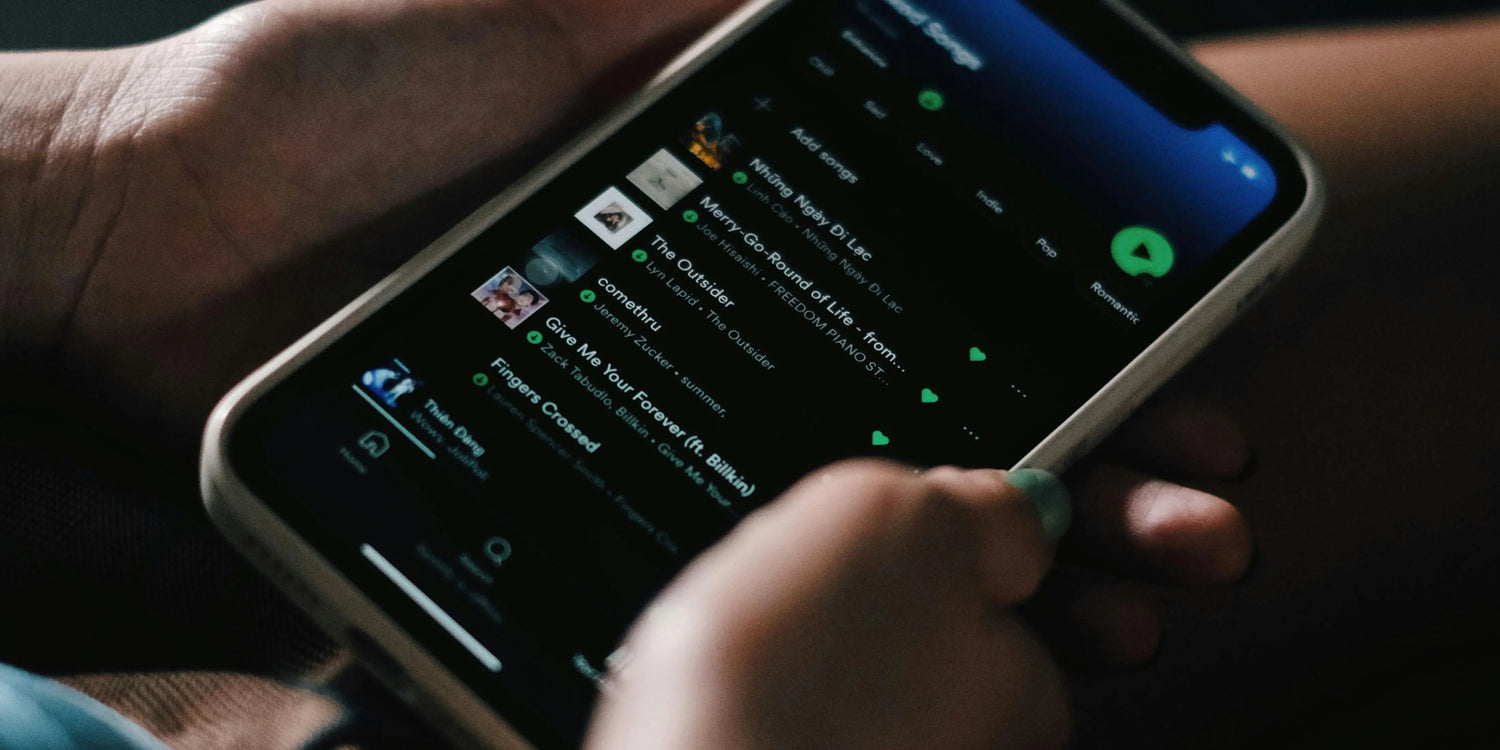
Getting a track onto an editorial playlist can transform a release from a quiet upload into a moment of real discovery. For independent artists navigating the modern streaming economy, the pitching system inside Spotify for Artists has become one of the most powerful tools available. But the process is far less about luck than many musicians assume. Editorial teams rely on signals, storytelling, data context, and timing to decide which songs deserve placement.
Artists who consistently earn playlist support understand that pitching is not simply filling out a form. It is a strategic moment where creative identity, metadata clarity, and audience momentum intersect.
Several core principles shape successful editorial pitches. Artists who approach the system thoughtfully tend to outperform those who treat it as an afterthought.
First, curators respond to clarity of artistic identity. They want to understand what world the music belongs to within seconds.
Second, the pitch functions as context rather than promotion. Editors are not looking for marketing language but meaningful creative framing.
Third, algorithmic signals surrounding a release often influence whether a song receives additional editorial attention.
Finally, preparation before the pitch window opens often matters more than the pitch itself.
Understanding how these elements interact can dramatically increase the chances of editorial consideration and can also strengthen an artist’s long-term visibility inside Spotify’s discovery ecosystem.
Understanding Spotify Editorial Playlists and How Curators Choose Songs
Editorial playlists are often misunderstood as mysterious gatekeeping tools controlled entirely by taste. In reality, the system sits at the intersection of human curation and data-informed listening behavior. Spotify’s editorial team manages thousands of playlists across genres, moods, activities, and cultural moments. These lists are updated continuously, sometimes daily, sometimes weekly, depending on the playlist’s role inside the platform.
Curators evaluate music with a specific context in mind. A track isn’t simply judged as good or bad; it is evaluated based on whether it fits a particular listening environment. Some playlists prioritize emerging artists, others highlight genre scenes, while many revolve around emotional or activity-based themes such as late-night listening, gym sessions, focus music, or driving soundtracks.
For that reason, artists often make the mistake of pitching their song without considering which playlists it naturally belongs to. Curators are looking for songs that fit seamlessly into an existing sonic narrative. A playlist has its own identity, pacing, and emotional flow. Songs that disrupt that atmosphere rarely make the cut, regardless of quality.
Another key factor is authenticity of sound. Editorial teams track trends, but they are wary of artists who appear to chase trends too obviously. Songs that feel culturally grounded within a genre tend to resonate more strongly. If an indie pop artist suddenly releases a track clearly mimicking a trending hyperpop style without any connection to their previous work, curators may see it as opportunistic rather than organic.
Streaming context also matters. Curators pay attention to how listeners respond to similar music across the platform. If listeners who enjoy a specific artist or genre consistently engage with songs similar to yours, the editorial team can see that behavioral alignment. In other words, your track doesn’t exist in isolation. It sits inside a web of listener behavior patterns.
There is also a misconception that only artists with large audiences receive editorial placements. While major artists often appear on high-visibility playlists, Spotify’s editorial ecosystem is filled with smaller niche playlists designed specifically to surface emerging talent. These playlists frequently become the starting point for discovery pipelines that later expand into larger placements.
For independent artists, understanding this layered ecosystem is crucial. A smaller genre playlist can spark algorithmic growth that eventually leads to bigger editorial opportunities. Curators are not simply rewarding popularity; they are building listening journeys for millions of users. When artists approach pitching with that perspective, their strategy shifts from asking «How do I get on the biggest playlist?» to asking «Where does this song naturally belong in the listening universe?”
That mindset alone changes how effective a pitch can be.
Preparing Your Release in Spotify for Artists Before the Pitch Window Opens
Many artists only think about pitching once their distributor has delivered the song to streaming platforms. By that point, however, much of the strategic preparation window has already passed. Editorial teams strongly prefer to receive pitches before the release date because it allows them to consider tracks for playlists that update the day the music goes live. Preparing early begins with the distribution timeline. Ideally, a release should be delivered to Spotify at least four weeks before launch. This buffer gives artists enough time to complete the editorial pitch while also allowing Spotify’s internal systems to analyze the track’s metadata and contextual signals.
Inside Spotify for Artists, the pitch submission appears once a song is scheduled for release. Artists can only pitch one track per release, which means choosing the right song becomes an important decision. The selection should reflect the track that best represents the project’s identity and has the strongest standalone impact. Before even opening the pitch form, artists should ensure that their profile ecosystem is coherent. A professional artist image, updated biography, and active artist pick communicate credibility. While these elements may not directly influence playlist placement, they shape the broader perception of the artist’s brand when curators quickly scan a profile.
Another preparation step involves understanding the sonic category of the track. Genre identity should be clear not only to listeners but also to the artist themselves. Many musicians struggle with this because modern music often blends styles, yet curators still need an entry point. A track might incorporate electronic textures, alternative rock guitars, and hip-hop rhythms, but the pitch should identify the primary scene or community where the song lives. Preparation also includes narrative clarity. Curators frequently skim dozens of pitches in a short time window. If the artist cannot explain what makes the track meaningful or culturally relevant, the pitch loses its power before the curator even presses play.
Artists who prepare their narrative in advance tend to write stronger pitches. They already know what emotional experience the song creates, what audience it speaks to, and where it sits in the broader musical landscape. There is also a technical side to preparation that many overlook. Audio quality must be competitive. Editorial teams hear thousands of tracks every week, and poor mixing or weak mastering becomes immediately noticeable. Even a strong composition can struggle if the sonic presentation feels unfinished.
Preparing early ensures that when the pitch window opens, the artist isn’t scrambling to define the story of the song. Instead, they are simply translating a well-understood artistic vision into the pitch format.
Crafting a Pitch That Captures Curator Attention in Seconds
The pitch field inside Spotify for Artists allows only a limited number of characters, which means every sentence carries weight. Many artists fill the space with promotional language, but curators rarely respond to marketing statements. They are not looking for hype; they are looking for context.
The strongest pitches feel like a short creative briefing rather than an advertisement. They communicate the atmosphere of the track, its stylistic influences, and the emotional intent behind the music. A compelling pitch often begins by describing the sonic world of the song. Instead of listing genres, effective descriptions paint a picture of how the track feels in motion. Curators want to imagine where the song fits before they even press play. For example, describing a track as «indie pop with dreamy guitars and nostalgic synth textures built for late-night city drives» creates a stronger sensory image than simply writing «indie pop song.» The next layer of a strong pitch involves context around the artist. Curators often want to know whether the release represents a debut moment, a shift in sound, or part of a larger project. That narrative helps them understand the cultural relevance of the release. Personal stories can also strengthen a pitch when used carefully. If the song was inspired by a specific experience or cultural moment, sharing that detail adds depth. However, the key is brevity. Long autobiographical explanations rarely survive the curator’s quick scanning process.
Another element that can elevate a pitch is geographic or scene identity. Music scenes still matter in streaming culture. Mentioning connections to local scenes, touring regions, or community collaborations can signal authenticity and relevance.
Artists should also avoid vague phrases that appear in thousands of pitches. Statements like «this is my best song yet» or «fans are going to love this» provide no meaningful information. Curators rely on descriptive cues, not promotional enthusiasm.
Ultimately, the pitch should function as a bridge between the music and the playlists it belongs to. If a curator can quickly imagine where the track fits in their programming, the pitch has already succeeded in its primary goal.
Metadata, Genre Tags, and Storytelling Signals That Influence Playlist Placement
Behind the scenes, Spotify’s ecosystem relies heavily on structured information about music. Metadata acts as the connective tissue linking songs to listening contexts. While artists often focus on the pitch text, the metadata attached to a release quietly plays a powerful role in editorial consideration. Genre classification is one of the most influential metadata signals. During the pitching process, artists select genre and mood categories that help curators understand the track’s sonic identity. These tags are not merely administrative labels. They help Spotify’s internal systems map the song to relevant playlists and listening communities.
If an artist inaccurately labels a track, the song may never appear in the curator’s discovery pool for the appropriate genre. A lo-fi hip-hop instrumental labeled as electronic dance music, for example, could easily disappear into the wrong editorial ecosystem. Mood descriptors also shape playlist potential. Many playlists are structured around emotional states such as focus, melancholy, energy, nostalgia, or calmness. Selecting accurate mood tags helps the platform position the song within those listening environments.
Another overlooked storytelling signal comes from the surrounding release ecosystem. If a track is part of an EP or album with a consistent aesthetic, that coherence becomes visible to curators exploring the artist’s catalog. Artists who maintain sonic consistency often appear more playlist-friendly because their music fits predictable listening contexts.
Lyrics can also influence discovery patterns. Spotify’s data systems analyze lyrical themes and listener responses to them. Songs dealing with relatable emotional themes frequently perform well in mood-based playlists.
Collaborations introduce another dimension of metadata signaling. Featuring artists from adjacent genres can expose the track to overlapping listener communities. Curators sometimes view collaborations as bridges between scenes, which can increase playlist versatility.
Visual storytelling contributes indirectly as well. Cover artwork communicates genre cues before the song is heard. While artwork alone does not determine playlist placement, it helps create the aesthetic frame around a release.
All of these signals combine to form a holistic representation of the track within Spotify’s ecosystem. When metadata, sonic identity, and pitch narrative align clearly, the song becomes easier for curators to position within their programming strategy.
Timing Your Submission for Maximum Algorithmic and Editorial Impact
Timing is one of the most misunderstood aspects of Spotify pitching. Artists often submit their pitch a few days before release, assuming that curators review songs in real time. In reality, editorial planning often happens weeks in advance.
Submitting a pitch at least seven days before release is generally recommended, but earlier submissions provide a stronger advantage. Early pitches allow curators to schedule placements for release day playlists, which are often the most impactful moments for discovery.
Release day placements can trigger a chain reaction across Spotify’s algorithmic systems. When a song appears in an editorial playlist immediately after launch, it begins collecting listener data right away. High engagement rates during those early streams can activate algorithmic playlists such as personalized discovery feeds.
This early momentum matters because Spotify’s recommendation systems pay close attention to listener behavior during the first days of a release. If users save the song, add it to personal playlists, or listen repeatedly, the platform interprets those signals as evidence of strong audience resonance.
Artists who delay their pitch submission miss this early opportunity window. By the time the song is live, editorial playlists may already be finalized for that cycle.
Another timing strategy involves coordinating release schedules with audience activity. Many artists release music on Fridays because it aligns with the industry’s global release calendar. However, what matters more is whether the artist’s fan base is prepared to engage immediately.
If listeners are already aware of the upcoming release and excited to hear it, the first wave of engagement becomes much stronger. Editorial teams often notice songs that demonstrate immediate listener interest.
Timing, therefore, is not only about meeting deadlines. It is about aligning editorial consideration with audience readiness.
Leveraging Pre-Release Momentum to Strengthen Your Editorial Pitch
Editorial teams often pay attention to the broader context surrounding a release. While the pitch itself remains central, signals of audience anticipation can reinforce the perception that a song has cultural traction.
Pre-release momentum begins with audience communication. Artists who consistently engage their listeners across social platforms often generate stronger excitement around upcoming releases. Teasing short clips, sharing studio moments, or discussing the story behind a track can build curiosity before the song even reaches streaming platforms.
Pre-save campaigns have also become a common strategy. When fans pre-save a song, it automatically appears in their libraries the moment it launches. These early library additions signal strong listener intent, which can positively influence algorithmic recommendations.
Live performance previews can be particularly effective for artists with touring audiences. Testing a new song on stage allows listeners to connect with the track before it is released, creating familiarity that translates into early streaming engagement. Press coverage and independent playlist placements can also strengthen the perception of momentum. While Spotify editorial curators do not rely exclusively on external validation, visible interest around a release helps frame it as part of a broader cultural conversation. Community collaboration plays an important role as well. When multiple artists from the same scene promote each other’s work, their audiences begin to overlap. This kind of organic cross-pollination mirrors the way music scenes historically grew through shared exposure. The key idea is not to manufacture artificial hype but to demonstrate genuine listener interest. Curators are skilled at distinguishing between authentic audience enthusiasm and inflated promotional campaigns.
When a song arrives with real anticipation behind it, the editorial pitch becomes more than a request for playlist placement. It becomes an invitation to participate in a moment that listeners are already paying attention to.
Building Long-Term Relationships with Spotify’s Discovery Ecosystem Beyond a Single Pitch
For many artists, the editorial pitch feels like a one-time opportunity tied to a specific release. In reality, Spotify’s discovery ecosystem rewards consistency and long-term artistic identity far more than a single successful playlist placement.
Artists who approach the platform strategically focus on building a catalog that listeners can explore over time. When a new listener discovers a song through a playlist, the next step often involves visiting the artist’s profile. A coherent catalog encourages deeper listening and increases the likelihood of followers and saves.
Consistency in release cadence also strengthens algorithmic relationships. Regular releases provide the platform with more behavioral data about how listeners engage with the artist’s music. Over time, Spotify becomes more confident in recommending that music to the right audiences.
Audience engagement plays an equally important role. Artists who maintain active communication with listeners often see stronger engagement signals during new releases. When fans save songs, share them, and add them to personal playlists, the platform interprets those actions as indicators of long-term relevance.
Creative identity may ultimately be the most powerful factor. Artists who develop a recognizable sonic world become easier for curators and algorithms to understand. Instead of appearing as isolated tracks competing for attention, their releases form a cohesive narrative within the platform’s ecosystem.
The editorial pitch, therefore, should be viewed as one moment within a much larger relationship between artist, audience, and platform. Each release teaches Spotify’s systems more about where the music belongs and who resonates with it.
Over time, that understanding can lead to increasingly meaningful discovery opportunities. Not because the artist mastered a single pitch, but because they built a consistent presence inside the evolving landscape of streaming culture.
Frequently Asked Questions
The safest approach is to submit the pitch at least two to three weeks before the release date. Spotify technically requires only seven days, but earlier submissions give editorial teams more time to consider the track for upcoming playlist updates.
Yes. Many editorial playlists are specifically designed to showcase emerging talent. While major artists often appear on flagship playlists, smaller genre-focused lists frequently feature independent musicians who deliver strong, well-contextualized releases.
No. Submitting a pitch simply ensures that the song enters the editorial consideration pool. Curators still evaluate the track based on musical fit, timing, listener signals, and overall programming needs.
Spotify allows only one track per release to be pitched directly through Spotify for Artists. Artists typically choose the song that best represents the project or has the strongest potential for playlist placement.
While a larger audience can generate stronger early streaming signals, editorial teams frequently support smaller artists when the music fits a playlist’s identity. Musical fit and storytelling clarity remain the most important factors.