The UAE’s Hottest Music Collaborations of the Year
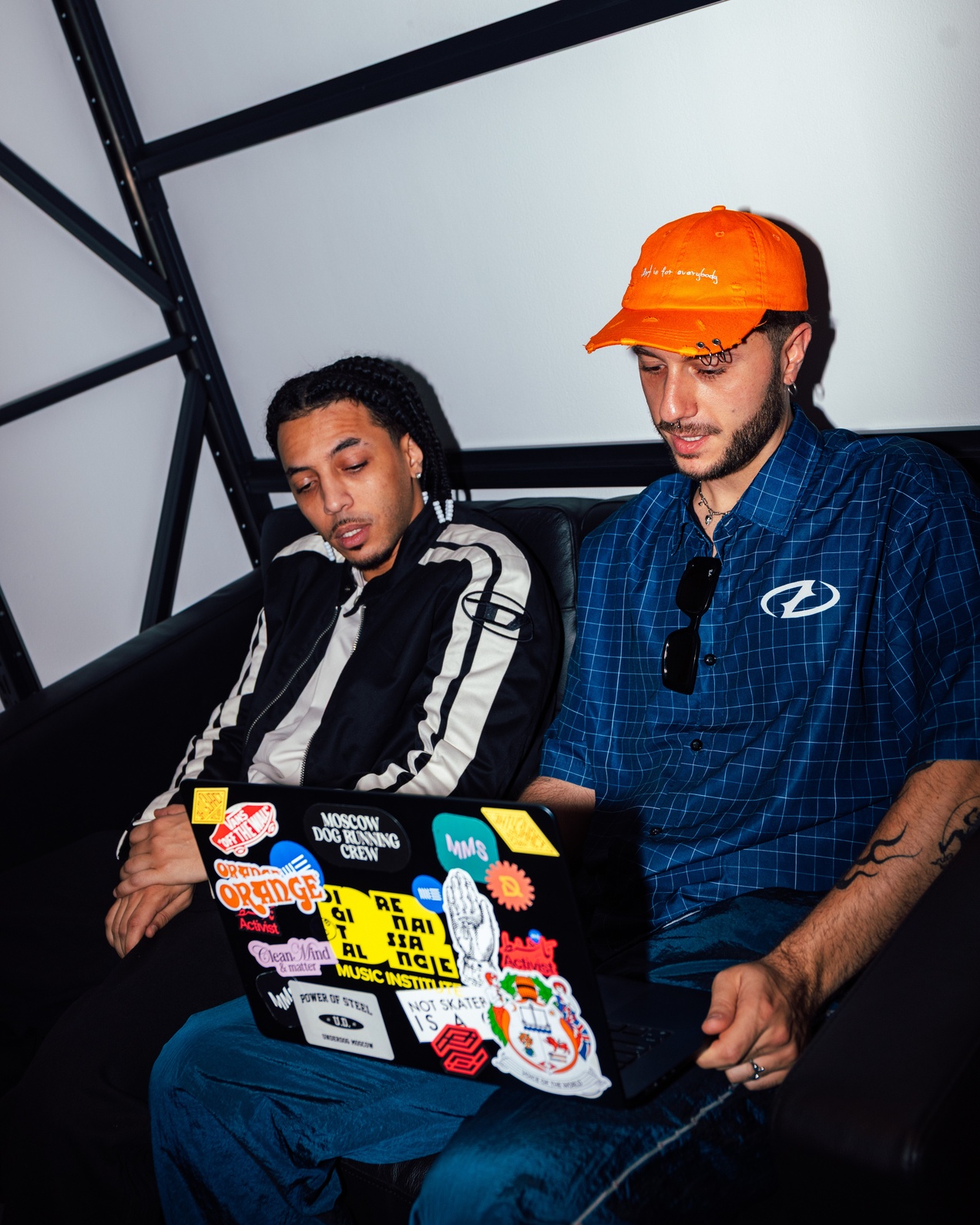
How Cross-Cultural Collaborations Are Shaping the UAE Music Scene
Few places in the world bring together as many cultures as the United Arab Emirates, and that diversity has increasingly become the driving force behind the country’s music collaborations. In Dubai and Abu Dhabi especially, artists from the Middle East, Africa, Europe, South Asia, and North America share stages, studios, and online audiences. The result is a creative environment where musical boundaries blur naturally rather than intentionally.
Many emerging artists in the UAE grew up surrounded by multiple musical traditions. A single track might weave together Khaleeji percussion, Afrobeat rhythm, and Western pop structure without sounding forced. These collaborations feel organic because they reflect the everyday cultural landscape of the country itself. Musicians frequently describe the UAE as a meeting point where artists can experiment without the rigid genre expectations found in more established music markets.
Independent producers and artists often meet through informal creative communities that thrive in Dubai’s nightlife scene and cultural districts. Jam sessions, studio writing camps, and open mic events regularly turn into full collaborations. An Egyptian vocalist might connect with a Nigerian producer, or a Lebanese songwriter may end up working with a British electronic DJ who recently relocated to Dubai.
This blending of influences has given the UAE music scene a distinct sonic identity. Instead of trying to imitate global pop trends, many artists are leaning into multicultural experimentation. The result is music that feels globally accessible while still rooted in regional sounds, making the UAE an increasingly interesting hub for collaborative creativity.
Viral UAE Artist Collaborations Dominating Streaming Platforms
Streaming platforms have become the primary launchpad for collaborative hits in the UAE. Spotify, Anghami, Apple Music, and YouTube now function as discovery engines where cross-artist partnerships can reach audiences far beyond the Gulf region.
One of the defining trends in recent years is the rapid viral growth of collaboration-driven singles. Artists who may have modest individual followings can suddenly break into international playlists when they combine audiences. A rapper with a strong TikTok presence might team up with a melodic Arabic pop singer, instantly exposing both fanbases to a new sound.
Playlists curated around regional fusion have played a particularly important role in amplifying these tracks. Streaming editors increasingly highlight songs that blend Arabic elements with global genres such as drill, trap, Latin pop, and Afrobeat. As listeners around the world search for fresh musical perspectives, these hybrid collaborations often stand out in algorithm-driven recommendations.
What makes many UAE collaborations particularly effective is their sense of authenticity. Rather than chasing trends, artists tend to approach partnerships as genuine creative exchanges. A songwriter may contribute Arabic lyricism while an international producer shapes the sonic landscape. When listeners sense that artistic chemistry, the music spreads quickly across social media and streaming platforms.
As a result, several collaborative singles originating in the UAE have quietly accumulated millions of streams, demonstrating that the region’s music industry is becoming more globally connected with every release.
The Role of Dubai Studios and Producers in Hit Collaborations
Behind many of the UAE’s most exciting collaborations are the studios and producers working quietly in Dubai’s rapidly expanding music infrastructure. Over the past decade, the city has evolved into a professional recording hub capable of supporting world-class productions.
Modern studios across Dubai now host writing camps, international recording sessions, and collaborative production residencies. These spaces are designed to encourage interaction between artists who might never otherwise cross paths. A producer might invite multiple vocalists into a session, allowing spontaneous creative chemistry to shape the final track.
Producers play an especially important role in bridging stylistic differences between collaborators. When artists from different musical backgrounds come together, the producer often becomes the translator who blends distinct influences into a cohesive sound. This process requires both technical skill and cultural sensitivity.
Dubai’s producers have become particularly adept at merging Arabic instrumentation with global pop production techniques. Traditional oud melodies may sit over electronic basslines, while Arabic rhythmic patterns are layered into contemporary dance beats. The technical precision required to achieve this balance is what turns experimental collaborations into commercially viable songs.
Many producers in the UAE also maintain international networks that bring overseas artists into the local scene. Visiting musicians frequently schedule studio sessions while touring through Dubai, leading to unexpected partnerships that later evolve into released singles.
This growing studio ecosystem has made the UAE far more than just a performance market. It has become a place where collaborative music is actively created, refined, and exported.
Arabic–Global Fusion: When Emirati Artists Team Up with International Stars
One of the most exciting developments in the UAE music landscape is the growing number of collaborations between Emirati artists and international performers. These partnerships often produce songs that feel culturally layered while still maintaining broad mainstream appeal.
For Emirati musicians, collaborating with global artists provides access to wider audiences while allowing them to showcase regional identity. Rather than diluting Arabic musical traditions, many artists lean into them more strongly during international collaborations. Distinctive vocal styles, poetic Arabic lyricism, and regional rhythms become defining features of the music.
International artists, on the other hand, often approach these collaborations as opportunities for creative exploration. Working with Middle Eastern musicians introduces new melodic structures and rhythmic frameworks that differ from Western pop conventions. This exchange frequently results in tracks that sound fresh even to seasoned global listeners.
The visual identity of these collaborations also plays a role in their impact. Music videos filmed in Dubai’s futuristic skyline, desert landscapes, or historic neighborhoods provide an instantly recognizable aesthetic. When paired with a fusion sound, these visuals reinforce the idea that the UAE is emerging as a modern cultural crossroads.
As the region’s music industry continues to grow, collaborations between Emirati and international artists are becoming more ambitious. Some projects now involve multilingual songwriting, international production teams, and coordinated global release strategies.
These partnerships suggest that Arabic–global fusion is no longer a niche experiment. It is quickly becoming one of the most compelling directions in contemporary pop music.
Social Media, TikTok, and the Rise of Collaborative Music Marketing in the UAE
In the UAE’s fast-moving music environment, collaboration is no longer limited to the studio. Social media platforms have transformed how artists promote joint projects, turning marketing itself into a collaborative art form.
TikTok in particular has reshaped the way collaborative songs gain momentum. Artists often preview snippets of unreleased tracks together, inviting fans into the creative process. Short behind-the-scenes videos showing recording sessions, studio jokes, and songwriting moments help build anticipation before the song officially drops.
This approach creates a sense of shared ownership among fans. Instead of discovering a finished product, audiences feel as though they are watching the collaboration unfold in real time. When the track finally releases, the online community already feels invested in its success.
Influencer partnerships and cross-platform content have further amplified these marketing efforts. A collaborative song might launch simultaneously with dance challenges, visual teasers, and collaborative livestream performances. Each artist brings their own audience into the campaign, multiplying the reach far beyond traditional promotion.
In the UAE, where social media engagement rates are among the highest in the world, this strategy has proven especially effective. Songs that trend on TikTok often translate directly into streaming spikes and club rotations.
For emerging artists, collaborative marketing has become just as important as collaborative songwriting. The ability to tell a compelling digital story around a joint project can determine whether a track quietly releases or becomes a viral moment.
Live Festival Performances That Turned Collaborations into Breakout Moments
While streaming and social media drive discovery, live performances remain one of the most powerful ways collaborations truly come alive. Music festivals across the UAE have increasingly become the stage where joint projects transform into unforgettable cultural moments.
Events in Dubai and Abu Dhabi frequently feature surprise appearances during headline performances. An artist might invite a collaborator onto the stage for the first live rendition of their new track, instantly electrifying the audience. These moments often spread rapidly online as fans share clips of unexpected musical pairings.
Live festivals also give artists the chance to reinterpret their collaborations in front of a crowd. Extended instrumental breaks, improvised vocal exchanges, and energetic crowd interaction often reshape how the song is experienced. What began as a carefully produced studio recording becomes something dynamic and spontaneous.
For emerging artists, performing collaborative songs at major festivals can dramatically elevate visibility. Sharing the stage with an established performer introduces new audiences who may not have discovered them otherwise. In many cases, a single standout festival performance has been enough to propel a track into wider recognition.
The UAE’s growing reputation as a global festival destination means these moments reach international audiences as well. Fans traveling from Europe, Asia, and North America experience these collaborations firsthand and carry the music back into their own digital networks.
In this way, live performances continue to play a crucial role in transforming collaborative recordings into defining musical memories.
What the Next Wave of UAE Music Collaborations Might Sound Like**
Looking ahead, the next generation of UAE collaborations is likely to become even more adventurous. As artificial intelligence tools, virtual production techniques, and remote collaboration platforms evolve, artists will have new ways to connect creatively across continents.
Genre boundaries are expected to blur even further. Arabic drill, electronic Khaleeji pop, Afro-Arab fusion, and multilingual hip-hop are already emerging in experimental projects. These sounds reflect the reality of a younger generation that consumes music globally and refuses to limit itself to one tradition.
Dubai’s growing reputation as a cultural innovation hub will likely attract even more international musicians searching for fresh creative environments. Collaborative writing camps, international residency programs, and cross-industry partnerships could transform the UAE into one of the most interesting global laboratories for new music.
What makes the future particularly exciting is that the UAE’s music collaborations are not being manufactured by industry formulas. They are emerging organically from a uniquely diverse cultural environment. As artists continue to meet, experiment, and create together, the next wave of collaborations may produce sounds that the global music industry has never quite heard before.
Frequently Asked Questions
The UAE’s multicultural population naturally encourages collaboration between artists from different backgrounds. Musicians working in Dubai and Abu Dhabi often come from diverse cultural and musical traditions, making collaboration an intuitive way to create fresh sounds. The country’s growing studio infrastructure and international touring scene also make it easier for artists to connect and record together.
Streaming platforms and social media are the primary engines for global reach. When artists from different regions collaborate, they combine audiences and increase the chances of appearing on international playlists and viral content feeds. TikTok trends, music videos, and influencer engagement further accelerate global discovery.
Yes, particularly through collaborative projects. Partnerships with international producers, DJs, and vocalists have helped Emirati musicians showcase regional styles to wider audiences. These collaborations often highlight Arabic musical elements while blending them with global genres.
Many international artists now schedule recording sessions in Dubai while touring or visiting the region. The city offers modern production facilities, experienced engineers, and a creative community that encourages experimentation across genres.