Breaking into the UAE Music Scene: Networking & Opportunities
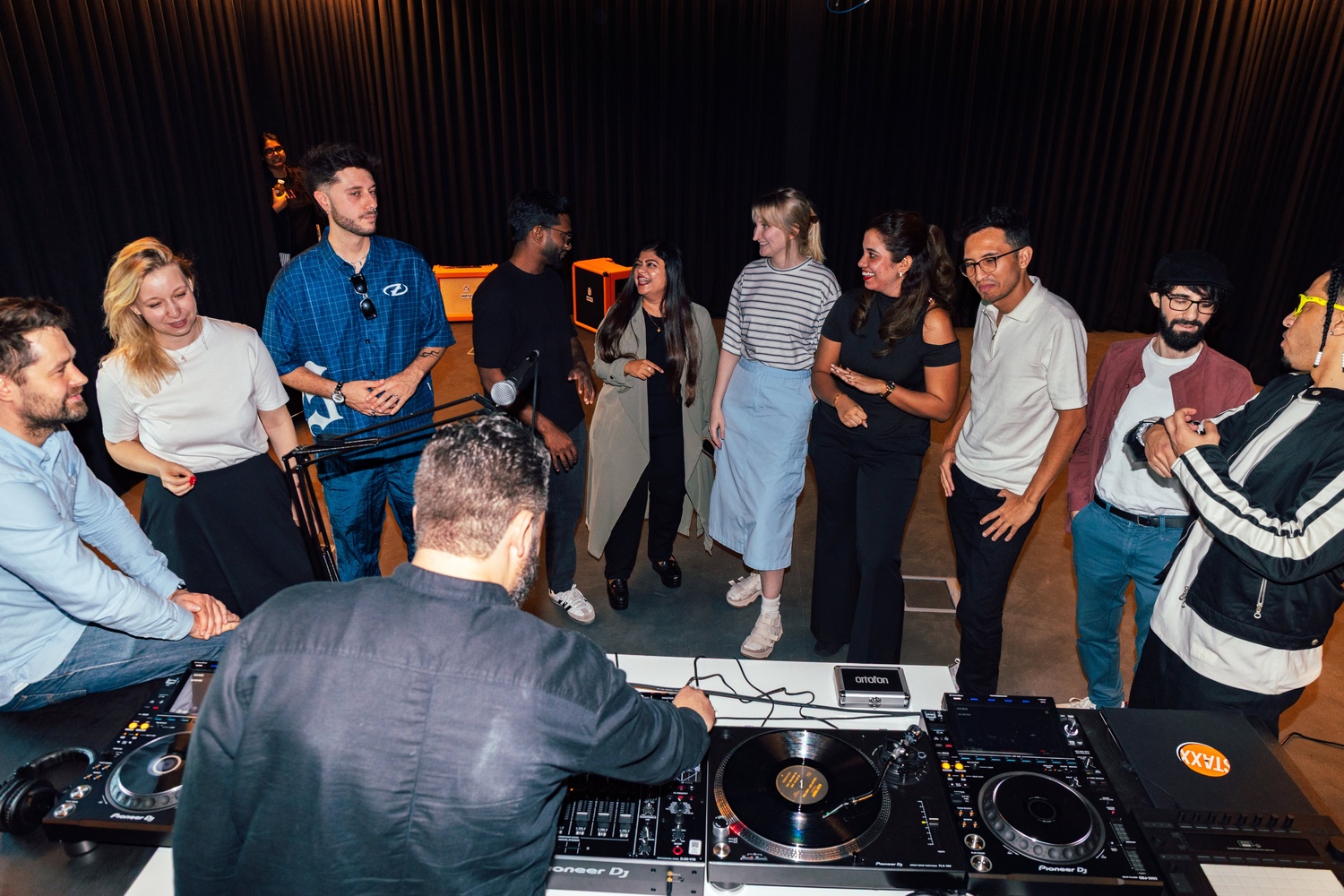
The United Arab Emirates has quietly developed one of the most diverse and dynamic music ecosystems in the Middle East. What makes the UAE unique is the convergence of international talent, multicultural audiences, government-backed creative initiatives, and a thriving nightlife economy. For musicians, producers, educators, and aspiring industry professionals, this environment creates a rare blend of opportunity and competition.
Breaking into the UAE music scene requires more than just musical skill. It demands cultural awareness, strategic networking, and an understanding of how the local industry actually operates behind the scenes. Artists who succeed here tend to navigate both the creative and professional aspects of the ecosystem with equal intention.
Several important dynamics define success in this landscape. The UAE’s music scene is deeply relationship-driven, with collaboration and reputation carrying enormous weight. Cities like Dubai and Abu Dhabi act as cultural crossroads where Western, Middle Eastern, Asian, and African influences merge into a single creative marketplace. Educational institutions, private music schools, and creative communities often function as entry points for newcomers seeking connections. Meanwhile, digital platforms increasingly shape how musicians promote themselves and discover opportunities.
Understanding how these elements intersect is essential for anyone serious about building a music career in the UAE.
Understanding the Structure of the UAE Music Industry
At first glance, the UAE music industry can feel fragmented. Unlike some countries where a centralized recording industry dominates the landscape, the UAE operates through a network of interconnected sectors. Live performance venues, hospitality groups, educational institutions, event promoters, independent labels, media companies, and cultural organizations all contribute to the ecosystem in different ways.
The live entertainment sector sits at the core of the industry. Hotels, beach clubs, lounges, festivals, and large-scale entertainment venues host a constant rotation of performers. These venues rely heavily on musicians who can perform across genres, adapt to diverse audiences, and deliver consistent professionalism. For many emerging artists, the hospitality sector becomes the first entry point into the market.
Another defining feature is the prominence of event-based music. Corporate events, luxury brand activations, private parties, weddings, and cultural festivals regularly employ musicians, DJs, and producers. These opportunities often operate outside traditional music industry pathways, yet they can provide steady work and valuable exposure.
Recording and production services also form an important segment of the industry. A growing number of independent studios across Dubai and Abu Dhabi cater to artists creating everything from Arabic pop and hip-hop to electronic music and film scores. Many of these studios double as collaborative spaces where producers, songwriters, and vocalists meet and develop projects together.
Government-supported cultural initiatives further shape the music landscape. Organizations connected to arts development programs often provide grants, festivals, and performance platforms designed to cultivate regional talent. These initiatives reflect a broader national strategy to expand the UAE’s creative economy and position the country as a cultural hub.
However, what truly distinguishes the UAE industry is its international orientation. Artists from Europe, North America, Africa, South Asia, and the Arab world all participate in the same scene. This multicultural environment encourages stylistic experimentation and cross-genre collaboration, but it also means musicians must develop versatility. Audiences expect performers who can bridge cultures and appeal to diverse listeners.
Understanding this structure helps newcomers recognize that the UAE music industry does not revolve around a single gatekeeper. Instead, it operates through overlapping networks of venues, communities, and collaborators. Navigating those networks effectively becomes the foundation for long-term success.
Key Cities, Venues, and Cultural Hubs Shaping the Local Scene
The geography of the UAE music scene is highly concentrated. While creative activity exists across the country, several cities function as primary centers where opportunities tend to cluster.
Dubai stands at the heart of the regional music economy. Its global tourism industry, luxury hospitality sector, and vibrant nightlife make it one of the most active performance markets in the Middle East. Every week, hundreds of live music events take place across beach clubs, rooftop venues, restaurants, concert halls, and festivals. Musicians in Dubai quickly learn that versatility is essential, as audiences range from international tourists and expatriate professionals to local Emirati listeners.
Within Dubai, certain districts have become cultural magnets for artists and creatives. Areas such as Alserkal Avenue, Dubai Design District, and Jumeirah often host exhibitions, performances, and interdisciplinary art events. These spaces blur the boundaries between visual art, music, and technology, creating environments where musicians can meet collaborators outside traditional performance venues.
Abu Dhabi represents another important pillar of the UAE music ecosystem. The city’s cultural infrastructure is supported by large-scale institutions and government initiatives focused on arts development. Festivals, cultural events, and educational programs regularly bring international performers alongside regional talent. For musicians interested in film scoring, orchestral performance, or educational work, Abu Dhabi often provides unique opportunities.
Sharjah offers a different perspective on the music scene. Known for its strong cultural institutions and emphasis on heritage arts, the emirate has become a hub for festivals celebrating Arabic music, world music, and experimental performance. Artists interested in cross-cultural dialogue often find Sharjah particularly inspiring.
Beyond these major cities, smaller creative communities continue to emerge across the UAE. Independent studios, rehearsal spaces, and grassroots collectives frequently organize jam sessions, workshops, and intimate concerts that foster close-knit networks of musicians.
Venues themselves play a powerful role in shaping the scene. Some function primarily as entertainment destinations for nightlife audiences, while others operate more like cultural stages dedicated to artistic exploration. Musicians who succeed in the UAE often learn to navigate both environments, performing commercial gigs while maintaining involvement in more experimental or community-driven spaces.
Understanding the geography of the music scene helps artists identify where their style and career goals best align. A jazz trio may thrive in intimate lounge settings, while electronic producers might gravitate toward club residencies or festival circuits. The key lies in recognizing that each city and venue contributes a different layer to the broader ecosystem.
Building Meaningful Connections with Artists, Promoters, and Educators
In the UAE music industry, relationships are often more influential than formal credentials. Networking is not simply a professional tactic; it is the primary mechanism through which opportunities emerge.
For many musicians arriving in the country, the first step involves immersing themselves in the local community. Attending live performances, open mic nights, jam sessions, and workshops provides an opportunity to observe the scene while gradually introducing oneself to other artists. These environments encourage informal conversations that often evolve into creative collaborations.
Promoters represent another critical part of the network. They coordinate events, book talent, and maintain relationships with venues across the region. Establishing a professional reputation with promoters requires reliability, strong performance skills, and effective communication. Musicians who consistently demonstrate professionalism quickly become trusted collaborators within promoter networks.
Educators also play a significant role in shaping the music community. Many respected performers in the UAE teach at music schools or universities, which means educational spaces frequently double as networking hubs. Workshops, masterclasses, and student concerts create natural environments where emerging artists can connect with experienced mentors.
One of the most valuable aspects of networking in the UAE is its multicultural nature. Musicians from different cultural backgrounds often bring distinct musical traditions and influences. Collaborations between artists from various regions frequently produce unique sounds that resonate with diverse audiences.
Building genuine relationships requires patience and authenticity. Rather than approaching networking purely as a transactional process, successful musicians tend to focus on mutual support and shared creativity. Offering to collaborate, attending peers’ performances, and contributing to community events all help strengthen professional relationships over time.
In many cases, a single connection can lead to multiple opportunities. A promoter may recommend a musician for a festival booking, an educator might introduce a producer to a recording project, or a fellow artist may invite collaborators to join a new band. These connections form the invisible infrastructure that keeps the music scene moving.
Leveraging Music Schools, Universities, and Creative Communities
Educational institutions play a surprisingly influential role in the UAE’s music ecosystem. While many musicians arrive in the country with professional experience, music schools and universities often serve as gateways into the local creative community.
Private music academies operate throughout Dubai and Abu Dhabi, offering instruction in instruments, production, songwriting, and performance. These schools frequently host recitals, student concerts, and collaborative workshops that attract musicians from across the city. For emerging artists, participating in these events can provide early exposure to local audiences.
Universities also contribute to the development of the music scene by fostering interdisciplinary collaboration. Programs focused on music technology, media production, and performing arts encourage students to experiment with new creative formats. Film students may require original soundtracks, theater departments need composers and performers, and media projects often involve sound design. These collaborations can become early professional experiences for musicians looking to expand their portfolios.
Creative communities extend beyond formal education. Independent rehearsal studios, artist collectives, and coworking spaces frequently host events designed to bring musicians together. These gatherings range from songwriting circles to production meetups where artists share techniques and discuss emerging technologies.
One of the advantages of engaging with educational environments is the opportunity to exchange knowledge. Experienced musicians may teach workshops or mentorship sessions, while younger artists often introduce new technological tools and contemporary trends. This exchange creates a dynamic learning environment that benefits everyone involved.
For artists interested in long-term stability, teaching can also become an important part of a sustainable career. Many professional performers in the UAE balance live gigs with teaching roles at music schools. This combination provides both financial stability and continuous engagement with the next generation of musicians.
Ultimately, educational institutions function as creative incubators where talent develops, collaborations form, and ideas circulate. Musicians who actively participate in these environments often find themselves integrated into the broader cultural network more quickly.
Digital Networking Strategies for Musicians in the UAE
While in-person relationships remain essential, digital platforms increasingly shape how musicians connect within the UAE. Social media, streaming platforms, and professional networking sites allow artists to showcase their work and engage with audiences across the region.
Instagram has become one of the most influential tools for musicians operating in the Middle East. Artists frequently use the platform to share performance clips, announce upcoming gigs, and highlight collaborations. Promoters and venue managers often discover new talent through these posts, making consistent online presence an important part of career visibility.
Video platforms also play a significant role. High-quality live session recordings or studio performances can demonstrate musical ability more effectively than written resumes. Musicians who document their work visually often attract attention from event organizers searching for performers.
Professional networking platforms offer additional opportunities for connection. Music educators, producers, and event professionals frequently interact through industry-focused communities where they share projects and discuss potential collaborations.
Another powerful digital strategy involves participating in online music communities centered around specific genres or creative tools. Producers using particular software platforms, for example, often join forums or discussion groups where they exchange techniques and collaborate remotely. These communities extend the local network into global creative circles.
For musicians in the UAE, digital presence should reflect the same professionalism expected in live performance settings. Clear branding, high-quality recordings, and consistent communication help build credibility within the industry.
When used thoughtfully, digital networking becomes an extension of real-world relationships. Artists who combine strong in-person connections with strategic online visibility often discover that opportunities multiply across both spheres.
Gigs, Festivals, and Residency Opportunities for Emerging Artists
Live performance remains the lifeblood of the UAE music scene. The country’s hospitality industry, festival circuit, and entertainment venues create a constant demand for musicians across multiple genres.
Residencies represent one of the most stable opportunities available to performers. Hotels, lounges, and restaurants often hire musicians for recurring weekly performances. These arrangements provide consistent income while allowing artists to develop loyal audiences over time. Many musicians who establish successful residencies eventually expand into larger venues and festival stages.
Festivals play an equally important role in showcasing talent. The UAE hosts a wide range of music events throughout the year, from electronic music gatherings and jazz festivals to cultural celebrations highlighting traditional sounds. These festivals often feature both international headliners and regional artists, creating valuable exposure for emerging performers.
Corporate entertainment forms another major segment of the market. Luxury brands, international conferences, and private events frequently employ musicians to create immersive experiences for guests. While these performances may differ from traditional concert settings, they often offer significant professional opportunities.
Open mic nights and community showcases provide additional entry points for new artists. These events allow musicians to test new material, gain stage experience, and meet other performers in a supportive environment. Many successful bands and solo acts began their journey through these smaller stages.
Securing gigs in the UAE typically requires persistence and professionalism. Artists who prepare polished promotional materials, maintain strong relationships with promoters, and consistently deliver high-quality performances gradually build reputations that open larger doors.
Creating a Sustainable Career Path in the UAE’s Evolving Music Ecosystem
The UAE’s music ecosystem continues to evolve as the country expands its creative economy. Government initiatives supporting arts and culture, growing international tourism, and the rise of digital media platforms are transforming how musicians build careers in the region.
Sustainability in this environment often depends on diversification. Many successful musicians combine multiple professional roles, balancing live performance with teaching, production work, songwriting, or media composition. This flexibility allows artists to adapt to the changing demands of the industry.
Equally important is the ability to navigate cultural diversity. Musicians who embrace the multicultural character of the UAE often develop distinctive artistic identities that resonate with global audiences. Collaborations across genres and cultural traditions frequently lead to innovative creative projects.
The future of the UAE music scene appears increasingly promising. New performance venues, educational programs, and cultural initiatives continue to emerge, attracting artists from around the world. As these networks expand, opportunities for collaboration and artistic experimentation are likely to grow.
For musicians willing to engage deeply with the community, build authentic relationships, and continuously develop their craft, the UAE offers far more than a temporary performance market. It presents the possibility of becoming part of a vibrant, evolving cultural landscape where creativity and opportunity intersect.
Frequently Asked Questions
Yes, the UAE offers a unique environment for musicians due to its multicultural audience, active hospitality sector, and growing investment in creative industries. While competition can be strong, artists who adapt to the local market often find a wide range of opportunities in performance, education, and production.
Not necessarily. Much of the UAE music industry operates independently, with many artists building careers through live performances, collaborations, and digital platforms rather than traditional label structures.
The UAE supports a wide spectrum of genres including pop, hip-hop, electronic music, jazz, Arabic music, and world music. The diversity of audiences encourages musicians to explore cross-genre collaborations.
Yes, many private music schools, academies, and universities employ professional musicians as instructors. Teaching often complements performance careers and helps musicians establish deeper connections within the community.
Networking is extremely important. Many opportunities emerge through personal connections with promoters, venue managers, educators, and fellow artists.