Arabic and Western Songwriting Styles in the United Arab Emirates Music Industry
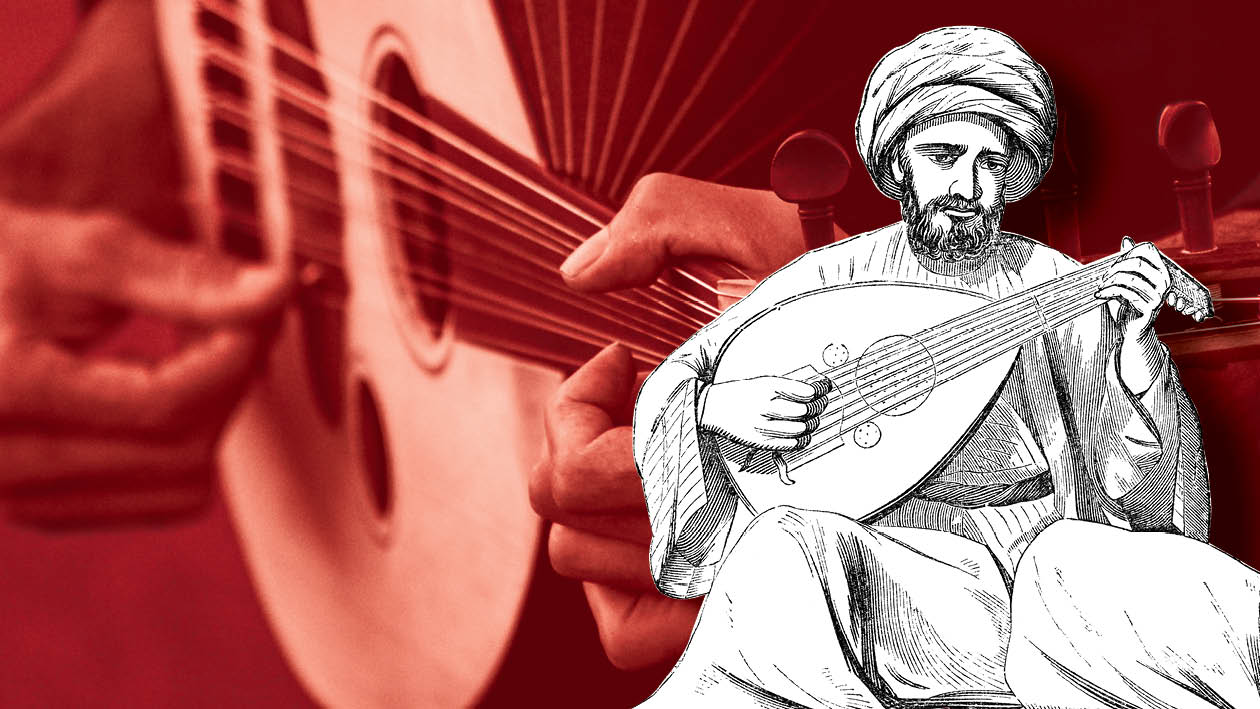
The United Arab Emirates has developed one of the most culturally layered music environments in the Middle East. Artists working in the country rarely operate within a single tradition; instead, songwriting often reflects a meeting point between Arabic musical heritage and globally dominant Western styles. This interaction influences everything from lyrical themes and melodic construction to production techniques and language choices.
In studios across Dubai, Abu Dhabi, and Sharjah, producers and writers frequently navigate two musical worlds at once. A traditional maqam-based melody might sit over modern electronic drums, while English rap verses may appear between Arabic choruses. These creative intersections have gradually shaped a distinctive songwriting culture that mirrors the UAE’s multinational society.
Several dynamics help explain this unique environment:
- The UAE’s multicultural population exposes artists to multiple musical traditions simultaneously.
- Regional Arabic musical heritage remains a strong emotional and aesthetic anchor.
- Western production techniques dominate contemporary recording and streaming ecosystems.
- Younger artists increasingly experiment with bilingual or hybrid songwriting approaches.
The result is a songwriting landscape where tradition and global influence do not compete but interact continuously, producing a distinctive musical identity that is still evolving.
Cultural Foundations Shaping Songwriting in the UAE’s Multinational Music Scene
Songwriting in the United Arab Emirates exists within a cultural ecosystem unlike most national music industries. While traditional Arabic music provides historical and emotional grounding, the country’s diverse population has introduced a wide spectrum of global influences that shape how artists write, compose, and produce music.
The UAE’s demographic structure plays a significant role in this creative environment. Emiratis form an important cultural core, but the broader population includes communities from across the Middle East, South Asia, Europe, Africa, and North America. In practical terms, this means that musicians often grow up listening to Arabic classics alongside Western pop, Bollywood soundtracks, Afrobeats rhythms, and electronic dance music.
For songwriters, this multicultural soundscape becomes a natural reference point rather than a stylistic experiment. A young artist in Dubai might attend Arabic weddings where traditional Khaleeji rhythms dominate, while also performing in clubs where house music or hip-hop drives the dance floor. These overlapping experiences influence not only the sound of songs but also the narrative voice behind them.
Historically, Arabic songwriting emphasized poetic storytelling, emotional depth, and vocal expression. Lyrics frequently drew from themes of longing, honor, love, and nostalgia, delivered through elaborate metaphors and symbolic language. Even modern Arabic pop retains traces of this literary tradition, which can be traced back to classical Arabic poetry and oral storytelling.
At the same time, exposure to Western songwriting frameworks has gradually introduced different structural expectations. Many contemporary songs produced in the UAE follow the verse–chorus structure common in American and European pop music. Hooks, rhythmic phrasing, and shorter song durations reflect global streaming trends, which favor immediacy and repetition.
Yet the cultural identity of UAE songwriting is not simply a matter of combining styles. The deeper dynamic lies in how artists negotiate authenticity within a globalized environment. Emirati musicians often feel a responsibility to preserve regional musical identity, while expatriate artists may use Arabic elements as a way to connect with the local cultural landscape.
Live performance spaces further reinforce this hybrid environment. Music venues across the UAE range from luxury hotel lounges hosting jazz and soul bands to underground hip-hop events and large-scale electronic festivals. Songwriters frequently move between these spaces, adapting their writing to suit different audiences and musical expectations.
Education also plays a role in shaping the songwriting culture. Music schools and independent academies across the country often teach both Western music theory and Arabic musical traditions. As a result, many young composers are comfortable working with chord progressions, digital production tools, and maqam-based melodic systems at the same time.
Technology accelerates this cross-cultural exchange. Producers collaborate across continents, sending instrumental tracks between Dubai, Cairo, London, and Los Angeles. A songwriter might write lyrics in Arabic while working over a beat produced by a European electronic music producer, creating songs that belong to multiple musical worlds simultaneously.
These conditions have gradually turned the UAE into a creative crossroads where songwriting reflects the broader cultural dynamics of globalization. Rather than existing as separate traditions, Arabic and Western musical approaches coexist within a shared creative space, shaping the sound of a music industry that continues to grow both regionally and internationally.
Traditional Arabic Lyricism, Maqam Structures, and Storytelling Approaches
At the heart of Arabic songwriting lies a musical philosophy that prioritizes emotion, melodic nuance, and poetic storytelling. Even in contemporary recordings emerging from the UAE’s studios, many artists continue to draw inspiration from traditional compositional frameworks that have shaped Arabic music for centuries.
One of the most defining elements of this tradition is the maqam system, a melodic framework that governs how melodies are constructed and performed. Unlike Western scales, which typically rely on twelve equal semitones, maqamat include microtonal intervals that give Arabic music its distinctive tonal character. These subtle pitch variations allow singers and instrumentalists to express emotional shades that can feel more fluid and expressive than conventional Western harmony.
For songwriters, working within a maqam structure influences the melodic direction of a piece. Melodies often unfold gradually, moving through characteristic phrases that emphasize emotional development rather than harmonic progression. The emphasis is not on chord changes but on melodic contour and expressive vocal delivery.
This approach is particularly evident in the vocal tradition that dominates Arabic music. Historically, singers have been central figures in the musical experience, with compositions designed to showcase vocal phrasing, ornamentation, and improvisation. Even in modern Arabic pop, the singer’s ability to navigate melodic embellishments and subtle tonal shifts remains a crucial part of the songwriting process.
Lyricism plays an equally important role. Arabic songwriting traditionally treats lyrics as a form of poetry rather than simply a vehicle for melody. The language itself, rich with metaphor and symbolic imagery, encourages expressive storytelling that explores emotional landscapes in depth.
Love songs remain the most prominent lyrical theme, but the treatment of romance in Arabic music often differs from Western pop narratives. Instead of direct declarations, lyrics frequently rely on metaphorical language that conveys longing, distance, and emotional tension. References to the desert, the night sky, or the passage of time can carry deep emotional meaning within a few carefully chosen words.
Another distinctive feature is the pacing of storytelling within a song. Western pop typically aims for immediate engagement, often delivering the central hook within the first thirty seconds. Traditional Arabic compositions, by contrast, may allow the emotional narrative to develop gradually, creating a sense of anticipation before reaching a climactic moment.
Even as modern production techniques reshape the sound of Arabic pop, many UAE-based artists continue to incorporate these traditional elements into their songwriting. The maqam system, poetic lyricism, and expressive vocal performance provide a cultural anchor that distinguishes Arabic music from global pop trends.
In the UAE’s music industry, this tradition serves as both a foundation and a source of inspiration. Songwriters who understand these classical principles often find new ways to reinterpret them within contemporary musical contexts, creating songs that feel both rooted in heritage and open to modern influence.
Western Pop, Hip-Hop, and EDM Writing Techniques Influencing UAE Artists
While Arabic musical heritage remains deeply influential, the structure of many contemporary songs produced in the UAE reflects the global dominance of Western popular music. Pop songwriting frameworks, hip-hop lyric techniques, and electronic dance music production methods have become central components of the modern creative process.
Western pop songwriting places strong emphasis on clarity, memorability, and structure. Songs are typically organized around a predictable framework built from verses, pre-choruses, and choruses, with the chorus functioning as the emotional and melodic centerpiece. This structure has proven particularly effective in the streaming era, where listeners often decide within seconds whether to continue listening to a track.
UAE-based songwriters frequently adopt this approach when targeting international audiences. The goal is often to create songs that can circulate easily on global platforms while still maintaining regional identity through language, instrumentation, or melodic influence.
Hip-hop has introduced another set of songwriting tools that have reshaped the creative landscape. Over the past decade, rap and trap music have gained significant popularity across the Middle East, including within the UAE’s growing independent music scene. Hip-hop’s influence extends beyond rhythm and production; it has also transformed lyrical style.
Rap lyrics tend to prioritize direct expression, rhythmic flow, and personal storytelling. In contrast to the metaphor-heavy language of traditional Arabic songwriting, hip-hop often embraces conversational phrasing and contemporary cultural references. This stylistic shift has encouraged younger artists in the UAE to experiment with more straightforward lyrical narratives.
Electronic dance music has contributed yet another layer of influence. The UAE hosts some of the region’s largest electronic music festivals and nightlife scenes, which has led many producers to incorporate EDM songwriting techniques into mainstream tracks. Build-ups, drops, and rhythmic tension are now common features in songs that blend Arabic melodies with electronic production.
EDM also emphasizes sound design as a core component of songwriting. Synth textures, rhythmic patterns, and dynamic transitions often carry as much creative weight as melody or lyrics. Producers working in the UAE frequently approach songwriting as a collaborative process where composers, vocalists, and electronic producers contribute equally to shaping the final track.
Western songwriting methods also encourage efficiency. Many pop and electronic tracks are written during intensive studio sessions where artists and producers develop a concept, melody, and lyrical theme within a few hours. This workflow contrasts with the slower, more reflective process traditionally associated with Arabic musical composition.
Yet rather than replacing Arabic traditions, Western influences tend to function as structural frameworks that support new forms of musical experimentation. Artists might use Western chord progressions or rhythmic grooves while preserving Arabic melodic phrasing or poetic lyricism.
The result is a songwriting environment where global trends serve as tools rather than templates. UAE musicians increasingly treat Western songwriting techniques as flexible resources that can be adapted, reshaped, and blended with regional musical identity.
Hybrid Composition: Blending Arabic Melodic Modes with Western Harmony
One of the most fascinating developments in the UAE’s music industry is the growing practice of hybrid composition. Rather than choosing between Arabic or Western musical systems, many songwriters are deliberately combining elements of both traditions to create distinctive sonic identities.
This hybrid approach often begins with melody. Arabic maqam structures provide a wide palette of expressive melodic possibilities, allowing singers to move through subtle tonal variations that are rarely found in Western pop music. When these melodies are placed over Western-style chord progressions, the result can feel both familiar and strikingly original.
For composers, this process requires careful balance. Western harmony relies on chords built from major and minor scales, while Arabic melodies often contain microtonal intervals that do not fit neatly within these harmonic structures. Songwriters must therefore adjust chord choices or melodic phrasing to ensure that the two systems interact smoothly.
Many producers in the UAE solve this challenge through creative arrangement. Instead of forcing Arabic melodies into strict Western harmonic frameworks, they may simplify chord progressions or focus on bass-driven grooves that allow the melody greater freedom.
Instrumentation also plays a significant role in hybrid composition. Traditional instruments such as the oud, qanun, and ney are frequently layered alongside electronic synthesizers, drum machines, and electric guitars. These combinations allow songwriters to maintain the sonic identity of Arabic music while embracing the production aesthetics of global pop.
Hybrid composition can also emerge through rhythmic experimentation. Khaleeji rhythms, which originate from Gulf musical traditions, often feature distinctive percussion patterns that differ from the four-on-the-floor pulse of Western dance music. By blending these rhythms with modern electronic beats, producers create grooves that feel both regional and contemporary.
The creative appeal of this hybrid approach lies in its ability to bridge audiences. Arabic listeners may connect with the familiar melodic language, while international audiences respond to the recognizable structures and production styles of Western music.
For UAE artists seeking to build international careers, hybrid songwriting provides a powerful strategy. It allows musicians to maintain cultural authenticity while engaging with global musical trends. Rather than diluting cultural identity, these compositions often highlight the unique emotional qualities of Arabic music within modern sonic landscapes.
Language Choices in UAE Songwriting: Arabic Dialects, English Lyrics, and Code-Switching
Language plays a central role in defining the identity of a song. In the UAE’s multilingual environment, songwriting frequently becomes an exercise in linguistic negotiation, where artists choose between Arabic dialects, English lyrics, or a mixture of both.
Arabic itself contains a wide range of dialects, each carrying distinct cultural associations. Gulf Arabic, commonly heard in Emirati and Khaleeji music, reflects the linguistic identity of the region and often appears in songs that emphasize local cultural themes. Egyptian and Levantine dialects, however, remain widely understood across the Arab world due to the historical influence of Egyptian cinema and Levantine pop music.
When songwriters in the UAE choose a particular dialect, they are often making a strategic decision about audience reach. Songs written in Egyptian Arabic, for example, may travel more easily across regional markets, while Gulf dialect lyrics can emphasize authenticity within the local cultural context.
English has become increasingly prominent in the UAE’s music scene, particularly among younger artists who grew up in bilingual environments. English lyrics often appear in genres such as hip-hop, R&B, indie pop, and electronic music, where global stylistic influences are strongest.
The use of English can also expand a song’s international accessibility. Streaming platforms allow music from the UAE to reach listeners around the world, and English-language lyrics may make it easier for artists to connect with global audiences.
Perhaps the most distinctive linguistic feature of UAE songwriting is code-switching. Many songs seamlessly alternate between Arabic and English within the same track. A chorus might be delivered in Arabic to preserve melodic and emotional resonance, while rap verses in English introduce contemporary rhythm and phrasing.
This blending of languages reflects the everyday communication patterns of many residents in the UAE. Conversations frequently move between Arabic and English, particularly among younger generations who navigate multicultural social environments.
In songwriting, code-switching can create powerful contrasts. Arabic lines may carry emotional intensity, while English phrases introduce rhythmic flow or cultural references drawn from global youth culture.
Language choice therefore becomes more than a technical decision; it shapes how listeners interpret a song’s identity. In the UAE’s diverse musical ecosystem, multilingual songwriting has emerged as a natural extension of the country’s broader cultural dialogue.
Digital Production, Streaming Platforms, and the Evolution of Songwriting Practices in the UAE
Technology has transformed how songs are written, recorded, and distributed across the UAE’s music industry. The rise of affordable digital production tools has allowed independent artists to participate in the creative process without relying on traditional record label infrastructure.
Home studios have become increasingly common among emerging musicians. With a laptop, digital audio workstation, and a small set of recording equipment, songwriters can now produce professional-quality tracks from their own spaces. This accessibility has accelerated the pace of songwriting, enabling artists to experiment with ideas more freely.
Digital collaboration has also reshaped the creative workflow. Producers in Dubai frequently work with vocalists, lyricists, and instrumentalists located in different parts of the world. Cloud-based file sharing allows artists to exchange project files, vocal recordings, and instrumental stems in real time, turning songwriting into an international collaborative process.
Streaming platforms have further influenced how songs are structured. Because listeners often discover music through algorithm-driven playlists, artists increasingly focus on creating tracks that capture attention quickly. This shift has encouraged shorter intros, stronger hooks, and concise song durations.
Social media platforms play a crucial role in this ecosystem as well. Many UAE-based artists first test new songs on platforms like TikTok or Instagram before releasing them officially. Viral trends can shape songwriting decisions, from the choice of lyrical phrases to the pacing of musical climaxes.
At the same time, digital tools allow artists to preserve traditional musical elements in innovative ways. Producers can sample classic Arabic instruments, manipulate maqam-based melodies digitally, or integrate archival recordings into modern productions.
The digital era has therefore expanded the creative possibilities available to songwriters in the UAE. Rather than limiting artistic expression, technology has opened new pathways for experimentation, collaboration, and global distribution.
The Future of Cross-Cultural Songwriting in the UAE’s Global Music Ecosystem
The trajectory of the UAE’s music industry suggests that cross-cultural songwriting will become even more central to its creative identity. As global connectivity deepens and technology continues to reshape music production, the boundaries between musical traditions are likely to grow increasingly fluid.
Future generations of UAE songwriters will likely grow up with even broader musical exposure than their predecessors. Streaming platforms already allow young musicians to access global genres instantly, from Latin pop to Afrobeats and Korean hip-hop. These influences will inevitably find their way into the songwriting process.
At the same time, interest in preserving Arabic musical heritage remains strong. Cultural initiatives, music education programs, and regional festivals continue to celebrate traditional instruments, maqam theory, and Arabic poetic traditions. This cultural foundation ensures that innovation does not erase historical identity.
What makes the UAE particularly unique is its role as an international cultural meeting point. Artists from across the Middle East, Europe, Africa, and Asia converge in its cities, bringing their musical perspectives into shared creative spaces. Studios in Dubai increasingly function as global collaboration hubs where diverse influences intersect.
As hybrid musical forms become more refined, the UAE may emerge as one of the region’s most influential centers for cross-cultural music production. Songwriters who master both Arabic musical language and Western songwriting frameworks will be especially well positioned to shape this evolving landscape.
In many ways, the future of UAE songwriting mirrors the broader story of the country itself: a place where tradition and global influence coexist, interact, and continuously redefine what cultural expression can become.
Frequently Asked Questions
Arabic musical traditions influence melody, lyrical themes, and vocal performance. Many UAE artists incorporate maqam-based melodies and poetic storytelling even when producing modern pop or electronic music.
The country’s multicultural environment naturally exposes musicians to multiple traditions. Blending Arabic and Western styles allows artists to connect with both regional and international audiences.
Songs may be written in Gulf Arabic, other Arabic dialects, English, or a mixture of languages. Code-switching between Arabic and English is particularly common in hip-hop and pop music.
Digital production tools, online collaboration, and streaming platforms have made it easier for independent artists to create and distribute music, accelerating experimentation and cross-cultural collaboration.
Yes. As artists continue blending Arabic heritage with global musical influences, a distinctive songwriting style is gradually emerging that reflects the country’s diverse cultural environment.