Dynamic Arrangement vs Loop-Based Production: Escaping the 8-Bar Trap
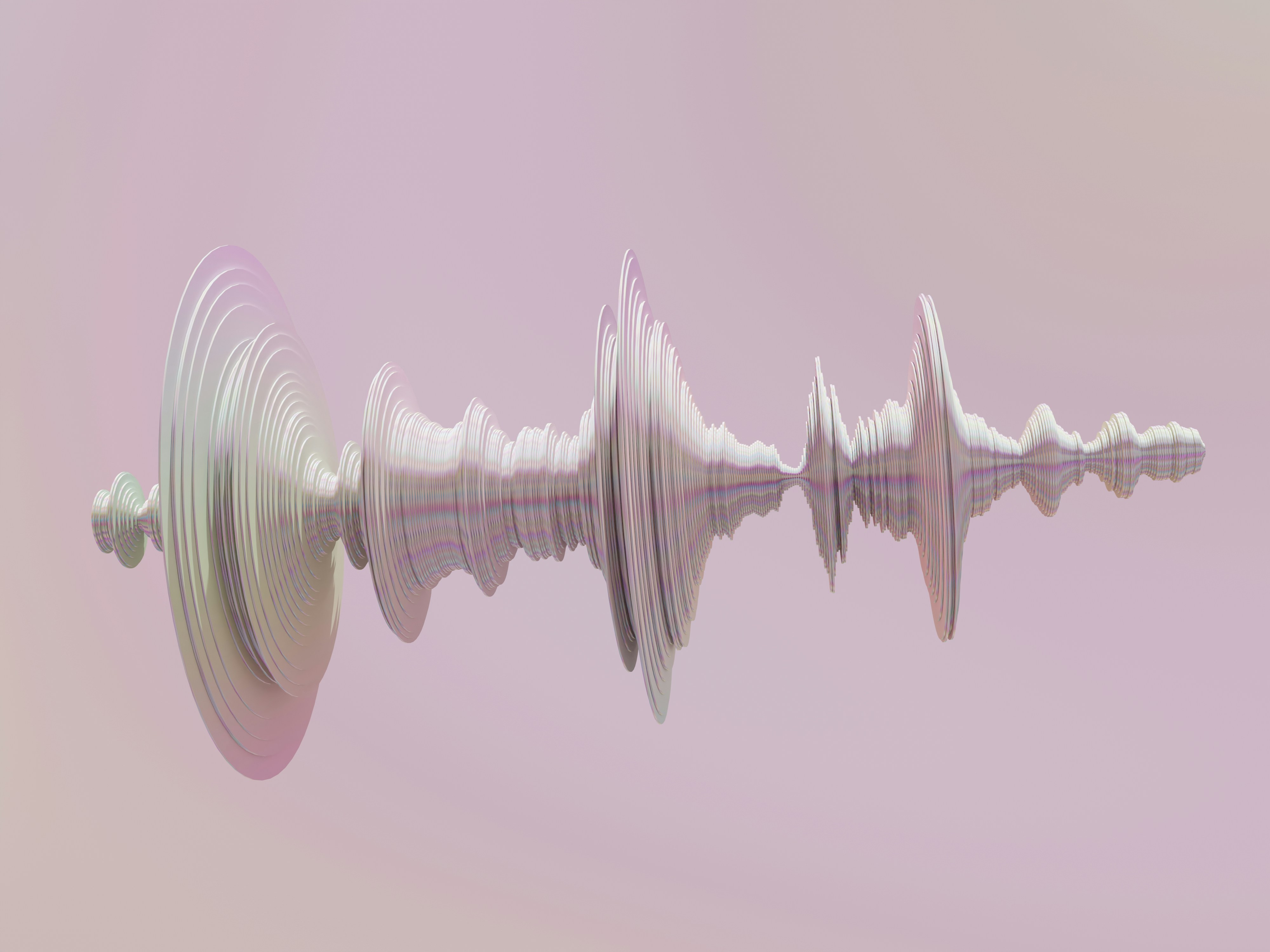
Modern music production has long been entangled with the convenience and immediacy of loop-based composition. The 8-bar loop, in particular, has become an almost ritualistic foundation, framing beats, melodies, and harmonies in compact, repetitive cycles. While this structure can offer clarity and groove, it often risks monotony, flattening the emotional trajectory of a track and reducing the room for narrative or musical evolution. Escaping the 8-bar trap requires a shift from mechanical repetition to fluid arrangement, where the story of the music unfolds organically, and every section feels both inevitable and surprising. It’s not about discarding loops entirely but about integrating them within a dynamic framework that invites growth, tension, and release.
Producers who thrive in this space understand that musical interest comes not solely from sound design or mixing finesse, but from the way elements interact over time. Loops are building blocks, but the architecture of a track—the way motifs emerge, mutate, and recede—defines listener engagement. This approach is particularly vital in contemporary electronic music, hip-hop, and pop, where streaming platforms reward tracks that maintain attention over multiple listens. A strategically evolving arrangement ensures that the listener experiences a sense of journey rather than stagnation, encouraging both immediate impact and lasting resonance.
The distinction between loop-based production and dynamic arrangement is subtle yet profound. Loops prioritize consistency and predictability; dynamic arrangements emphasize narrative, texture, and movement. Mastering this balance allows producers to retain the hypnotic qualities of repetition while injecting moments of surprise, tension, and human touch. The following exploration delves into why static loops often limit musical expression, how evolving soundscapes can captivate audiences, and the practical techniques that producers can employ to craft tracks that breathe and resonate far beyond the constraints of the 8-bar cycle.
Key insights include: the psychological mechanisms that make loops addictive yet potentially fatiguing, methods for breaking predictability through modulation and automation, and examples of contemporary producers who have successfully transcended conventional loop structures to create music that feels alive and organic.
Rethinking Repetition in Modern Beat-Making
Repetition has always been a double-edged sword in music. From the cyclical grooves of early funk to the trance-inducing patterns of electronic dance music, repeating elements establish rhythm, familiarity, and memorability. In modern beat-making, however, the ubiquity of digital audio workstations has made loops an almost default approach. Producers drag a pre-made drum pattern, a chord stab, or a bass line onto the grid, loop it for eight bars, and build from there. While this process is efficient, it often traps tracks in a static space where innovation is secondary to mechanical consistency.
The challenge lies in how human perception interacts with repetitive structures. The brain thrives on patterns, and loops exploit this instinct, creating an immediate sense of groove. But when a pattern persists too long without variation, it begins to fade into background noise. The listener may tap along mechanically, but emotional investment wanes. Here, the 8-bar loop, while seemingly harmless, can create a subtle barrier to engagement. Its predictability encourages passive listening, a pattern reinforced by the streaming era, where skipping tracks is effortless and attention spans are fragmented.
This is not to suggest that repetition itself is a flaw. Iconic beats often rely on repetition for impact; think of the hypnotic undercurrent in Kendrick Lamar’s productions or the relentless energy of modern trap rhythms. The key distinction is between repetition as a tool for tension and familiarity versus repetition as a static end in itself. When every element repeats without evolution, the track risks losing momentum, and even the most compelling sound design can feel inert. Recognizing this dynamic allows producers to reframe loops not as the final product but as ingredients for a larger, evolving composition.
Rethinking repetition also involves acknowledging the subtleties of musical expectation. Even slight deviations—a ghost note in the hi-hat, a transient pitch modulation, a filtered delay—can transform a repetitive loop into a living, breathing groove. This aligns with concepts found in studies of musical cognition, where micro-variations maintain listener interest and prevent habituation. In practice, beat-makers who embrace these nuances discover that loops become foundations for exploration rather than constraints. The 8-bar cycle is no longer a trap but a canvas, capable of supporting dynamic contours, shifting textures, and moments of surprise that engage the mind and the body simultaneously. Moreover, moving beyond rigid repetition opens space for emotional narrative. In genres where storytelling is crucial—hip-hop, pop, electronic—the arrangement must reflect tension, climax, and release. If the music remains locked in a looped state, narrative arcs flatten, and expressive intent suffers. Repetition should enhance, not hinder, the emotional trajectory of a piece. By viewing loops as evolving motifs rather than fixed statements, producers can construct tracks that breathe, guiding listeners through peaks and valleys that resonate on both an intellectual and visceral level.
From Static Loops to Evolving Soundscapes
While the 8-bar loop provides comfort in structure, evolving soundscapes introduce motion, depth, and texture that loops alone cannot achieve. An evolving track is not simply longer; it is a sequence of transformations where each element responds to the previous one, creating a sense of cause and effect. This approach draws inspiration from classical composition, where thematic development is key, as well as from the emergent behaviors of improvisational jazz, where motifs continually morph in response to the moment. Evolving soundscapes leverage layering, modulation, and temporal variation to cultivate a sense of progression. A single drum pattern may begin as a rigid, punchy rhythm, then gradually absorb ghost notes, reverb tails, and subtle syncopations that alter its perception without abandoning the original groove. Synth pads can shift in harmonic color, panning, and filter resonance, giving the illusion of movement within a static harmonic frame. These micro-changes, imperceptible on their own, compound over time to maintain interest and evoke emotional response. The result is a track that feels alive, avoiding the mechanical predictability of unaltered loops.
The transition from static loops to evolving soundscapes also demands an awareness of space and texture. Silence, sparse arrangement, and micro-pauses function as dynamic markers, giving the listener room to perceive subtle shifts. Producers like Hudson Mohawke and Flying Lotus exemplify this approach, embedding intricate sonic details that reward focused listening without sacrificing accessibility. The interplay between continuity and variation allows the track to retain a groove while simultaneously hinting at a narrative beyond what is immediately audible. From a technical standpoint, evolving soundscapes require careful attention to automation and modulation. Parameters such as filter cutoff, reverb decay, delay feedback, and oscillator detuning can be programmed to shift gradually, ensuring that even repeated motifs acquire fresh character. This contrasts sharply with static loops, which often rely on copy-paste repetition, and highlights the importance of intention in arrangement. The goal is not randomization but meaningful transformation, where each change serves the emotional and structural arc of the track.
The compositional mindset shifts as well. Rather than thinking in 8-bar increments, the producer visualizes the track as a continuum, a living entity that unfolds over time. This perspective encourages experimentation with tempo shifts, textural layering, and asymmetrical phrasing. Overlapping motifs, cross-fading sections, and dynamic counterpoints replace rigid loops, generating a sense of unpredictability that captivates the listener. Ultimately, evolving soundscapes bridge the gap between the hypnotic allure of repetition and the expressive potential of narrative music, creating an experience that feels intentional, immersive, and human.
The Psychology of Listener Engagement in Loop-Based Tracks
Listener engagement is as much psychological as it is sonic. Repetition taps into neural reward systems, giving instant gratification and fostering a sense of coherence. However, excessive predictability triggers habituation, where the listener’s attentional systems disengage. The tension between anticipation and fulfillment lies at the heart of dynamic arrangement. By controlling when and how loops transform, producers can manipulate cognitive expectations, creating moments of surprise, tension, and satisfaction. Studies in music cognition reveal that humans are exquisitely sensitive to pattern deviations. Even subtle changes in rhythm, melody, or timbre can refocus attention and re-engage neural pathways. Loop-based tracks that ignore this principle risk perceptual fatigue, where the brain tunes out repetitive stimuli. Conversely, dynamic modulation—shifting a hi-hat rhythm, morphing a bass tone, or introducing harmonic variations—leverages our anticipatory instincts, rewarding attentive listening and deepening emotional connection.
Emotional narrative is intrinsically tied to this cognitive interplay. A looping groove can induce trance-like states, but the addition of tension, release, and unexpected turns evokes a richer spectrum of feelings. Consider how minimalistic electronic compositions maintain long loops yet subtly evolve, creating an almost hypnotic suspense. These tracks succeed because they balance predictability with innovation, giving the listener both a reference point and a reason to remain engaged over time.
Moreover, cultural conditioning plays a role. Listeners accustomed to mainstream pop or EDM may expect conventional structures, making deviation risky but potentially more impactful. Breaking the 8-bar mold can surprise audiences in a way that feels fresh rather than jarring, provided that transitions are musical and contextually grounded. In this sense, understanding engagement is not merely a matter of technical skill but of empathy—tuning into what the listener expects, what they subconsciously anticipate, and how to craft moments that delight rather than alienate.
Ultimately, the psychology of engagement underscores the importance of movement in music. Dynamic arrangement is not an aesthetic preference but a cognitive strategy, aligning structural innovation with perceptual reward. Producers who master this interplay create tracks that feel alive, immersive, and memorable, transforming repetitive loops into instruments of narrative and emotion.
Techniques for Dynamic Arrangement Beyond the Grid
Moving beyond the grid involves rejecting the notion that music must conform to fixed, quantized cycles. Dynamic arrangement embraces asymmetry, irregular phrasing, and temporal fluidity. Producers can manipulate section lengths, stagger entrances, and orchestrate counter-motifs that evolve independently of the underlying loop. This freedom allows for storytelling through sound, where tension builds organically and resolutions feel earned rather than formulaic.
One technique is the gradual introduction and subtraction of elements. Instead of layering all instruments simultaneously, sounds emerge and recede in response to the track’s emotional arc. A percussion element may fade in with increasing syncopation, a pad may expand in harmonic complexity, or a vocal sample may be filtered to suggest distance before returning in full clarity. These shifts give the track a breathing quality, emphasizing flow rather than repetitive sameness.
Another approach is thematic development across the arrangement. Motifs introduced early can be altered rhythmically, harmonically, or texturally to create a sense of progression. For example, a chord progression might remain constant in harmonic terms but shift in timbral character, creating a perception of movement. Similarly, rhythmic motifs can transform subtly, introducing polyrhythms or metric modulation that disrupt the listener’s expectation in satisfying ways.
Non-linear arrangement also benefits from perspective on macrostructure. A producer can design the track to function in multiple layers: a foreground of active rhythms and melodies, a midground of evolving textures, and a background of atmospheric cues. The interplay between these layers ensures that loops serve as foundations rather than destinations, allowing for constant reinvention throughout the track’s duration. By approaching arrangement as a multidimensional space rather than a linear grid, the music gains depth, complexity, and a sense of intentionality. Furthermore, live performance principles can inform studio work. Improvisational strategies, where elements respond in real-time to each other, translate effectively into non-linear sequencing. Stochastic processes, algorithmic variations, and modular synth programming provide additional tools for unpredictability. Each technique reinforces the core idea: loops are starting points, but dynamic arrangement is the architecture that guides them into compelling musical narratives.
Layering, Automation, and Modulation to Break Predictability
The sonic palette of modern production is vast, but its power lies in how elements interact over time. Layering, automation, and modulation are essential tools for maintaining interest in otherwise repetitive contexts. Layering allows multiple textures to coexist, creating richness and contrast. Automation gives these layers life, gradually adjusting volume, panning, effects, and tonal qualities. Modulation introduces continuous variation, transforming static elements into evolving voices that respond to context. Effective layering is not about adding more sounds indiscriminately; it is about thoughtful orchestration. Complementary timbres should interact to enhance depth without masking key motifs. For instance, pairing a dry, percussive drum loop with a filtered, reverberant counter-rhythm can create spatial interplay that captivates the listener. Similarly, layering harmonic content—stacking pads, synths, or sampled textures—enables subtle motion even within a repeated chord progression. Automation is the bridge between static and dynamic expression. By gradually modifying filter cutoffs, resonance, or effect parameters, producers can create movement that feels organic rather than artificial. Automation curves can mirror natural gestures, such as the swelling of a bow on a string or the gradual rise of wind in an outdoor scene. These nuances prevent the track from feeling mechanical, allowing loops to exist as part of a broader, evolving soundscape.
Modulation adds another layer of unpredictability. Pitch bends, LFO-driven parameter shifts, and subtle detuning imbue life into repeated motifs. Modulation can also be applied selectively, targeting specific elements to highlight contrast or tension. For example, a bass line might remain stable while the accompanying synth evolves continuously, generating a sense of forward momentum. When used judiciously, these techniques transform repetition into anticipation, making each return of a loop feel refreshed and purposeful. Together, layering, automation, and modulation empower producers to construct music that transcends the grid. Loops are no longer static; they are instruments of narrative, capable of conveying tension, release, and emotional arc. Mastery of these tools distinguishes tracks that feel alive from those that fade into background sameness, providing the structural and textural sophistication necessary for contemporary music to resonate with modern listeners.
Case Studies: Producers Who Master Non-Linear Flow
Some of the most compelling contemporary tracks emerge from producers who embrace non-linear flow. Flying Lotus, for example, constructs compositions that defy standard 8-bar conventions. His arrangements often blend jazz-inspired improvisation with electronic textures, creating unpredictable yet coherent progressions that captivate listeners. Elements enter and exit fluidly, motifs mutate, and the track evolves almost organically, demonstrating the power of dynamic arrangement to transform static loops into immersive experiences. Hudson Mohawke offers another instructive example. His work combines meticulous layering with unexpected rhythmic shifts and timbral evolution. A single motif may recur across a track, yet its character is continually altered through automation and modulation, giving the sense that the music is responding in real time. By blending electronic precision with human intuition, Mohawke creates tracks that maintain energy and attention without relying solely on repetition.
On the hip-hop front, producers like Madlib manipulate loops with a jazz sensibility. Sampling becomes a tool for narrative, with sections chopped, reversed, filtered, and interwoven to maintain unpredictability. The resulting tracks are rich with texture and surprise, rewarding repeated listening and revealing new details with each encounter. These artists exemplify a key principle: dynamic arrangement does not abandon loops; it elevates them, integrating repetition within a broader, evolving musical narrative. The lessons from these case studies are instructive for producers across genres. Attention to temporal evolution, careful layering, modulation, and automation, and a mindset that prioritizes narrative over mechanical repetition all contribute to tracks that feel alive. Whether in electronic music, hip-hop, or pop, non-linear flow allows producers to craft work that resonates on multiple levels, blending accessibility with depth and creating a lasting impact on listeners.
FAQ
What is the main drawback of 8-bar loop production?
The primary limitation is predictability. Repeated cycles can quickly lead to listener fatigue, reducing engagement and flattening the emotional trajectory of the track. Without variation or evolution, loops risk becoming mechanical rather than expressive.
How can I make loops feel dynamic?
Introduce subtle variations in rhythm, melody, or timbre over time. Automation, modulation, and layering can transform static loops into evolving motifs that maintain listener interest while preserving groove.
Are dynamic arrangements suitable for all genres?
Yes. While electronic and hip-hop productions often benefit most visibly, any genre that relies on repeated motifs can gain from non-linear arrangement, including pop, R&B, and even acoustic-based music.
What role does listener psychology play in arrangement?
Human perception craves a balance between predictability and surprise. Dynamic arrangement exploits this, using tension, release, and micro-variations to sustain attention and emotional engagement.
Can evolving soundscapes replace loops entirely?
Not necessarily. Loops remain valuable as foundational elements. The key is to integrate them within a framework that allows transformation, modulation, and narrative flow.
Crafting Tracks That Breathe: Strategies for Organic Musical Progression
Ultimately, escaping the 8-bar trap is a matter of perspective, technique, and empathy for the listener’s experience. Tracks that breathe do so because each element interacts over time in a deliberate, evolving manner. Producers can foster this quality by layering complementary textures, automating parameters to mirror natural gestures, and applying modulation to introduce subtle, ongoing variation. Micro-changes in rhythm, timbre, and harmonic content compound to create tracks that feel alive, avoiding the static predictability of traditional loops.
Narrative thinking is equally vital. Every track benefits from arcs of tension and release, thematic development, and textural evolution. Loops are starting points, but the story unfolds as motifs transform, sounds enter and exit, and emotional stakes rise and fall. By considering the macrostructure alongside micro-dynamics, producers can ensure that each section contributes to a coherent, yet unpredictable, journey.
Attention to space, silence, and contrast further enhances organic progression. Strategic pauses, sparse arrangements, and layered reverbs give the listener room to perceive subtle changes. This interplay between density and openness, between stability and movement, is what gives tracks the sensation of breathing. Each return to a familiar motif is experienced anew, carrying forward both memory and anticipation.
Finally, adopting a mindset of evolution rather than repetition encourages experimentation. Non-linear thinking, improvisational strategies, and responsive modulation allow tracks to develop naturally, almost as if the music itself dictates the path. By combining technical mastery with an understanding of listener psychology, producers can craft music that is not only engaging but emotionally resonant, creating sonic worlds that captivate, sustain attention, and invite repeated exploration. This is the essence of escaping the 8-bar trap: a commitment to dynamic, living, and human-centered music production.